M56
The Messier Catalogue
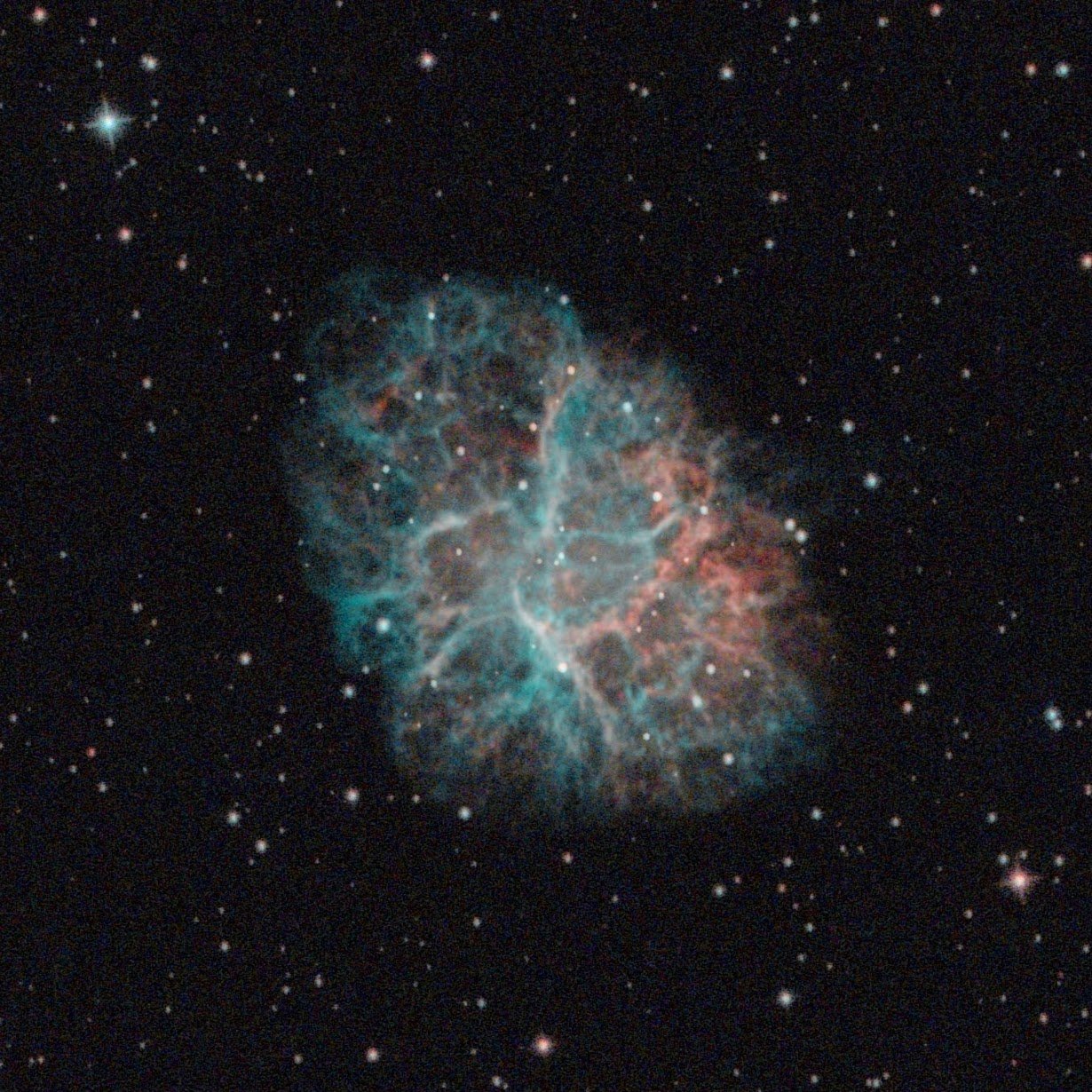
M1
M30
M32
M91
M2
M5
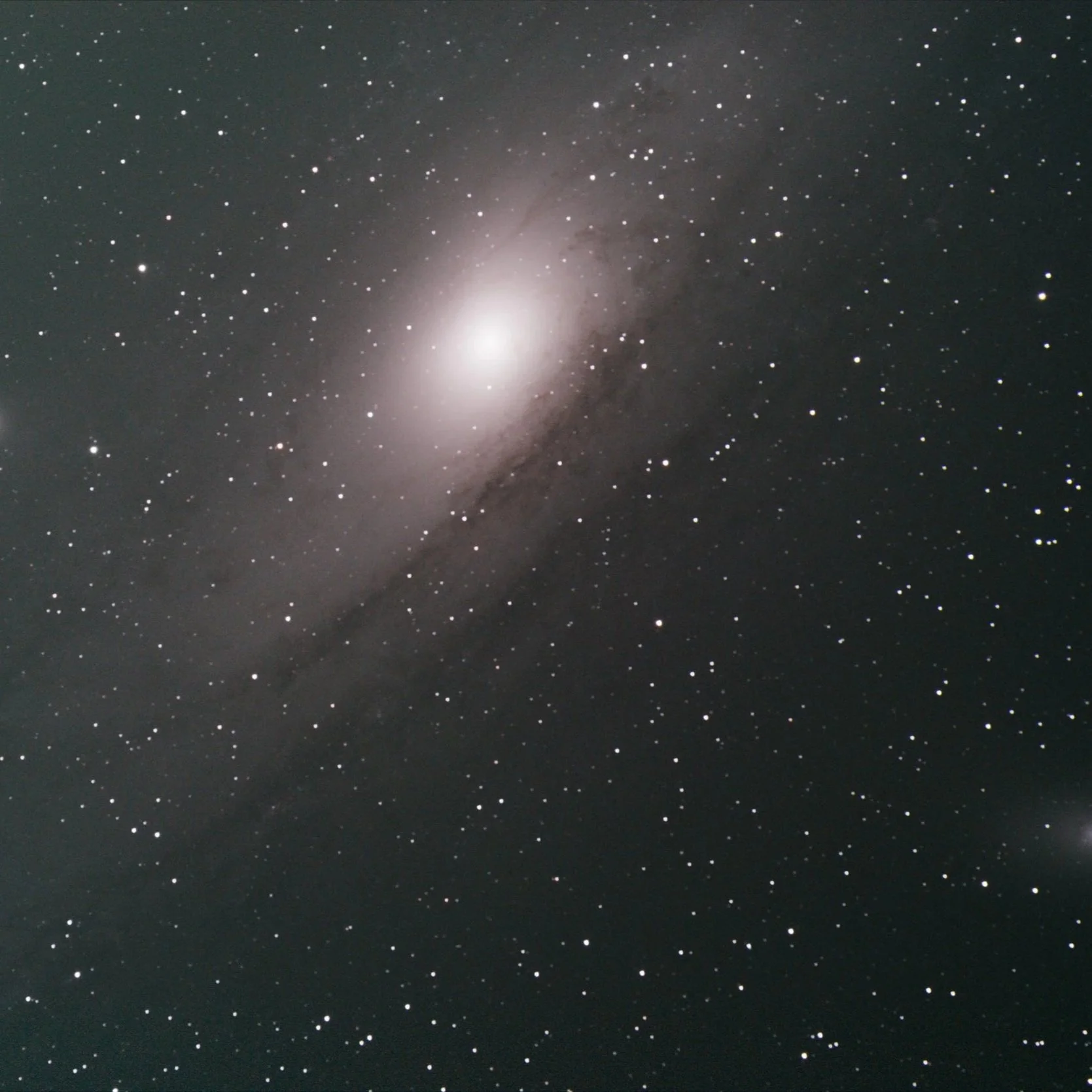
M31
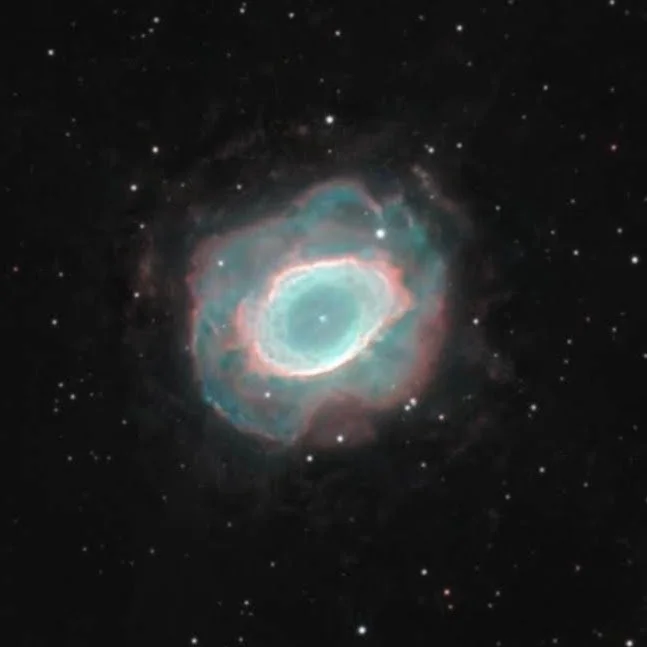
M57
M86
M87
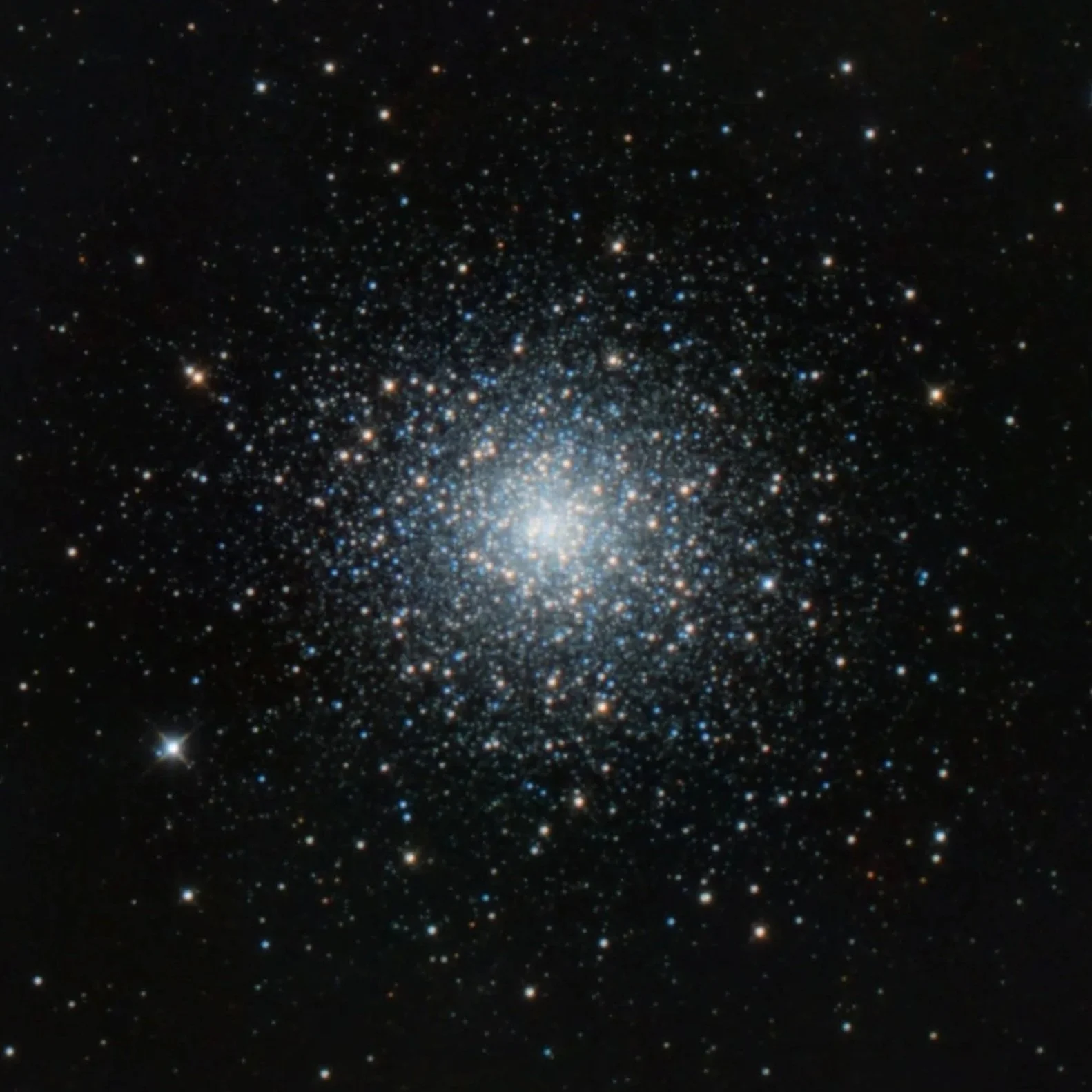
M92
M58
M60
M88
M93
M3
M6
M59
M61
M89
M94
M4
M7
M8
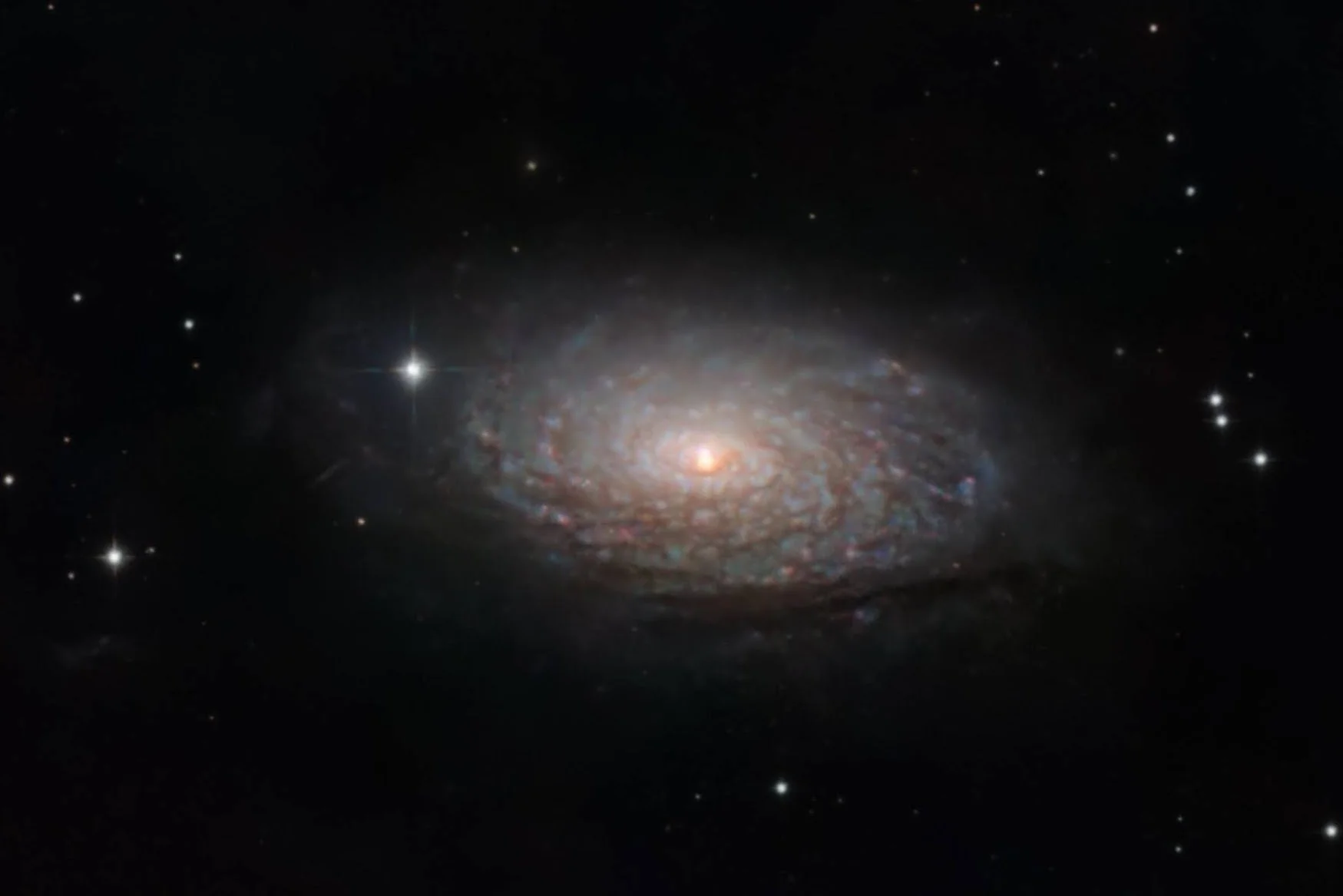
M33
M63
M90
M95
M34
M37
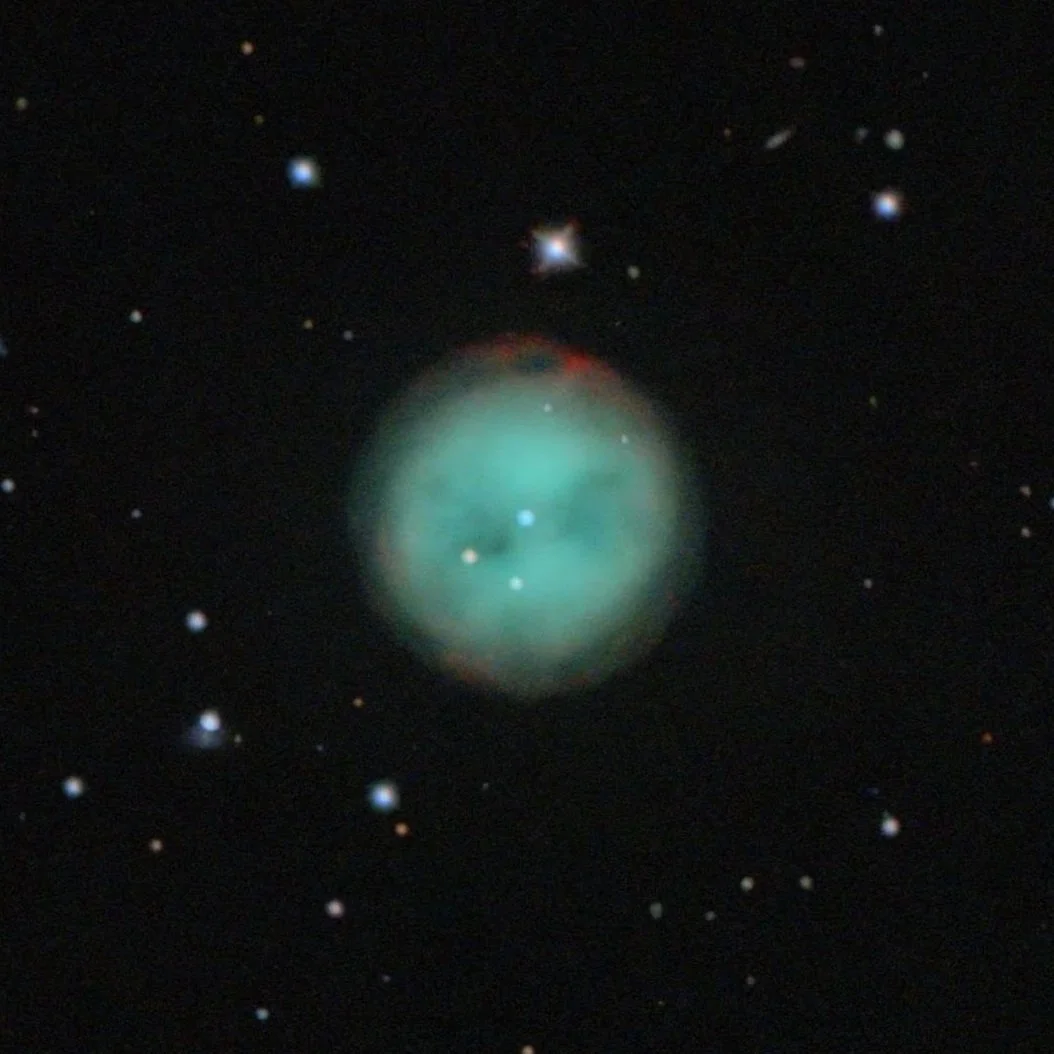
M97
M9
M11
M35
M38
M62
M96
M99
M10
M12
M36
M39
M67
M64
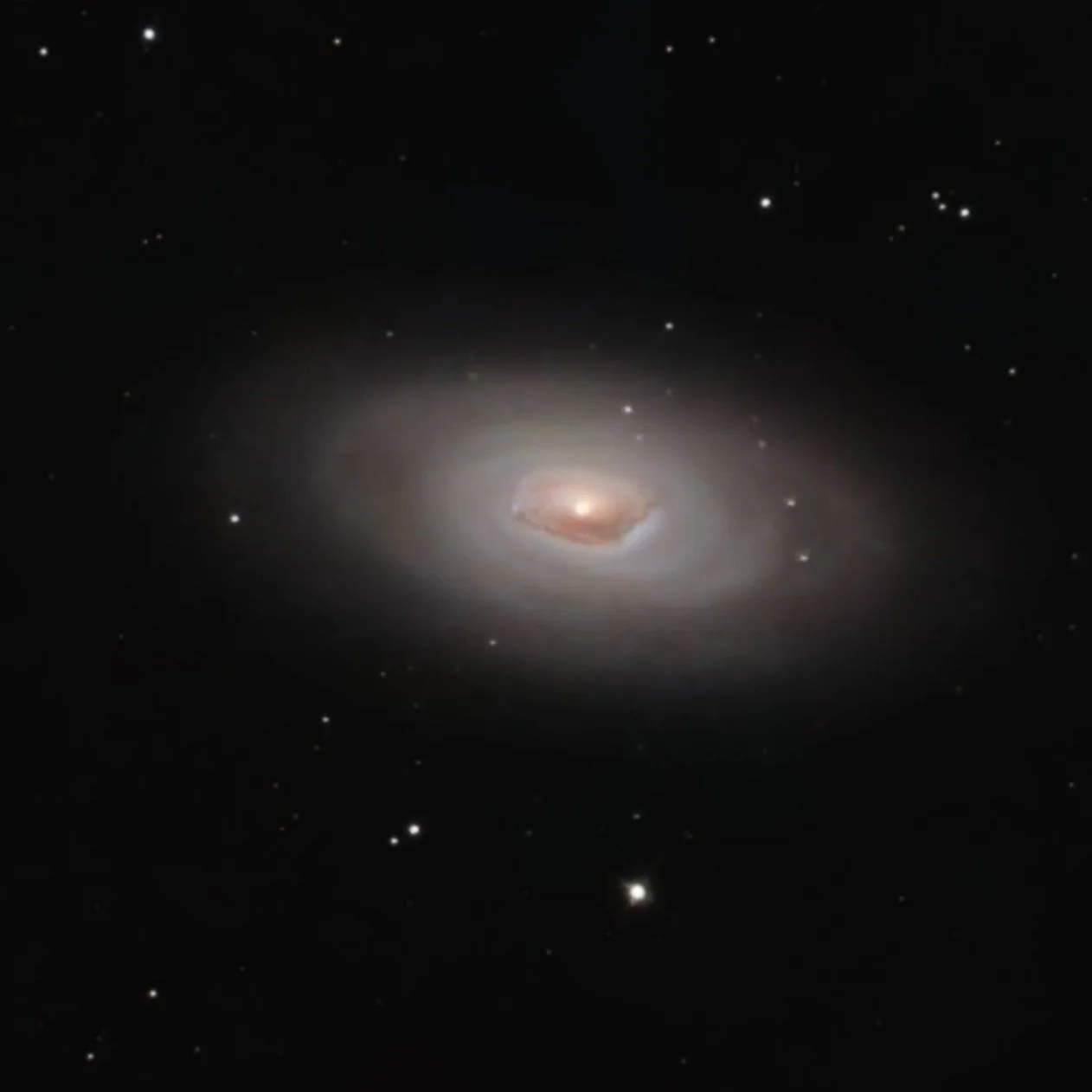
M98
M100
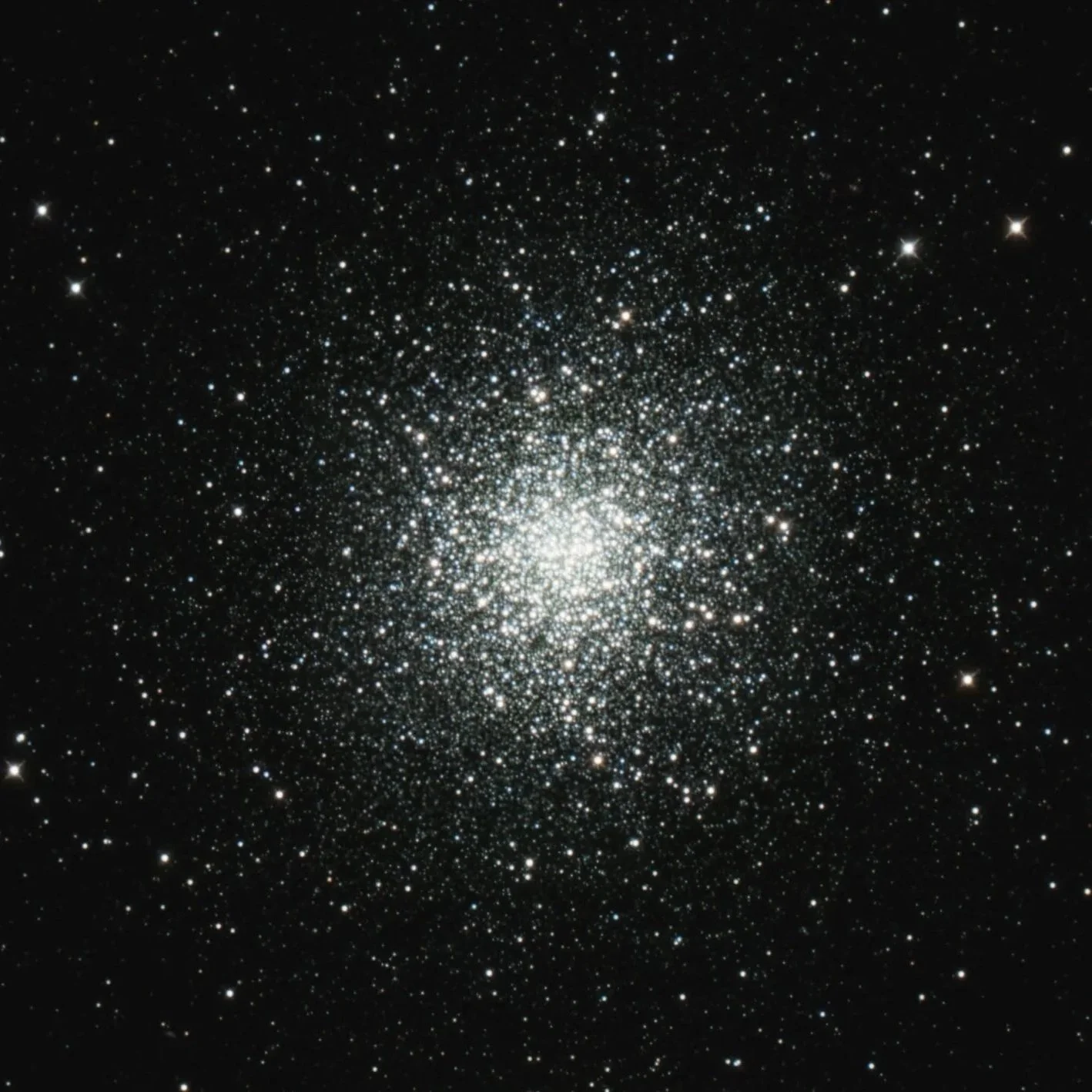
M13
M65
M14
M15
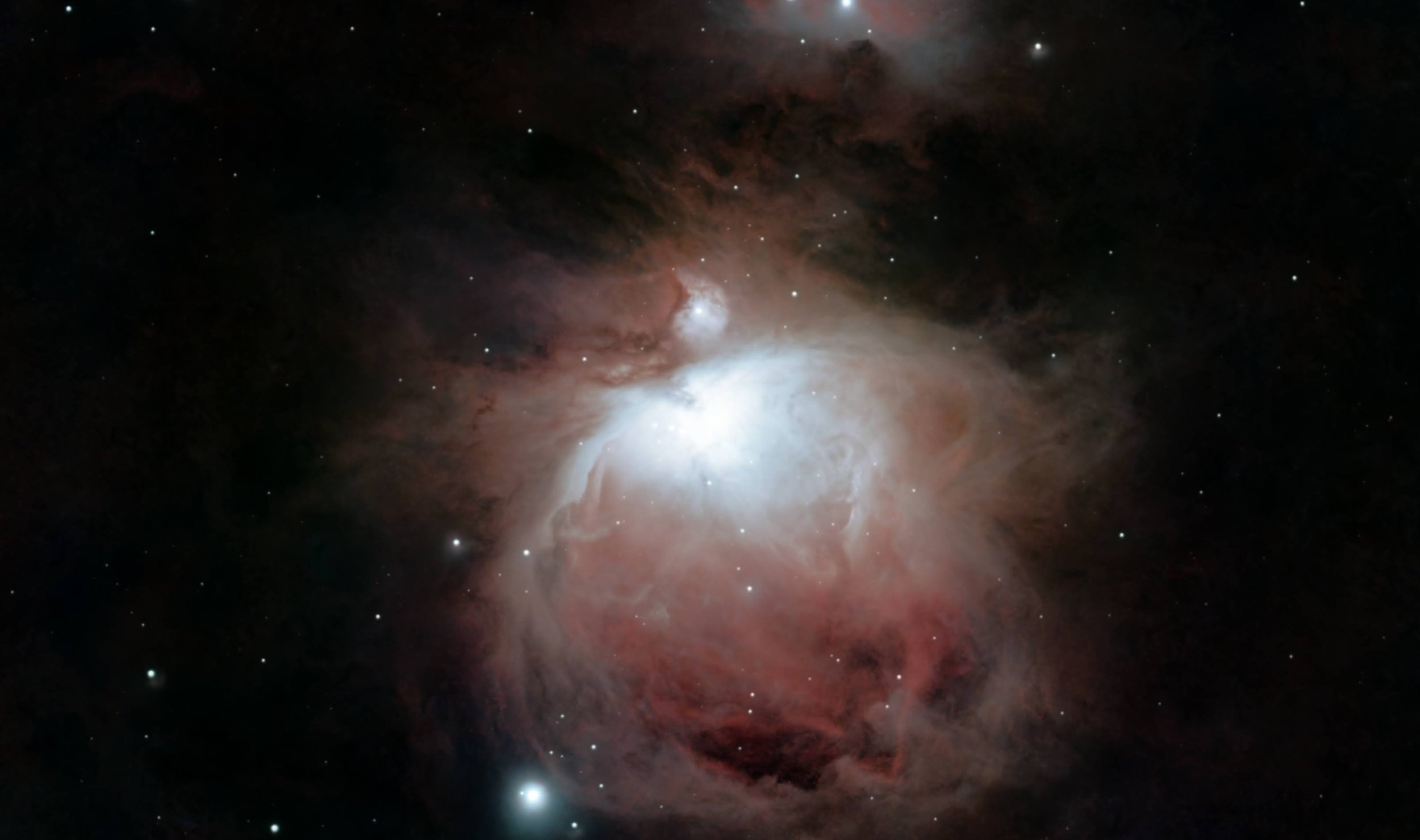
M42
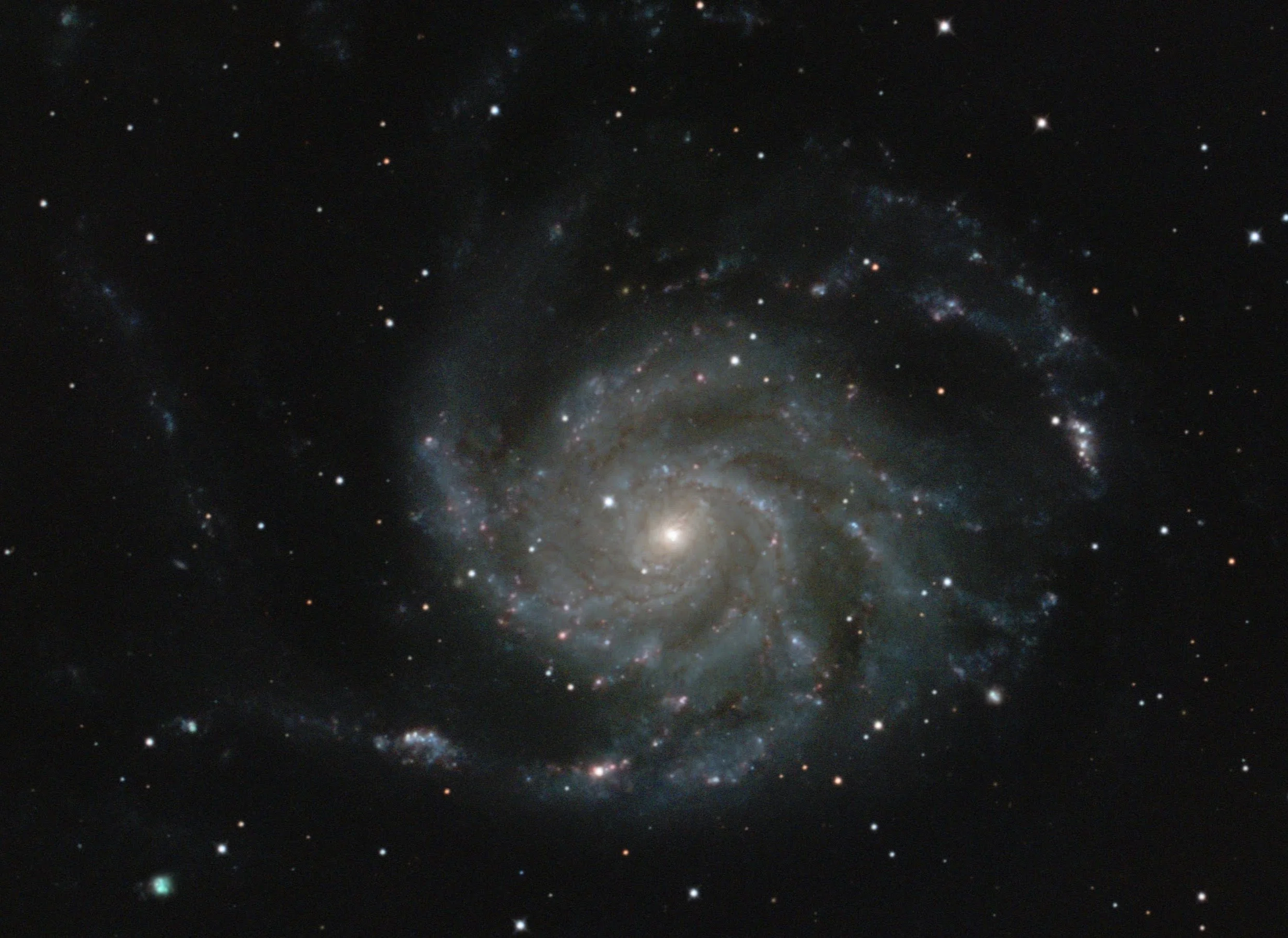
M101
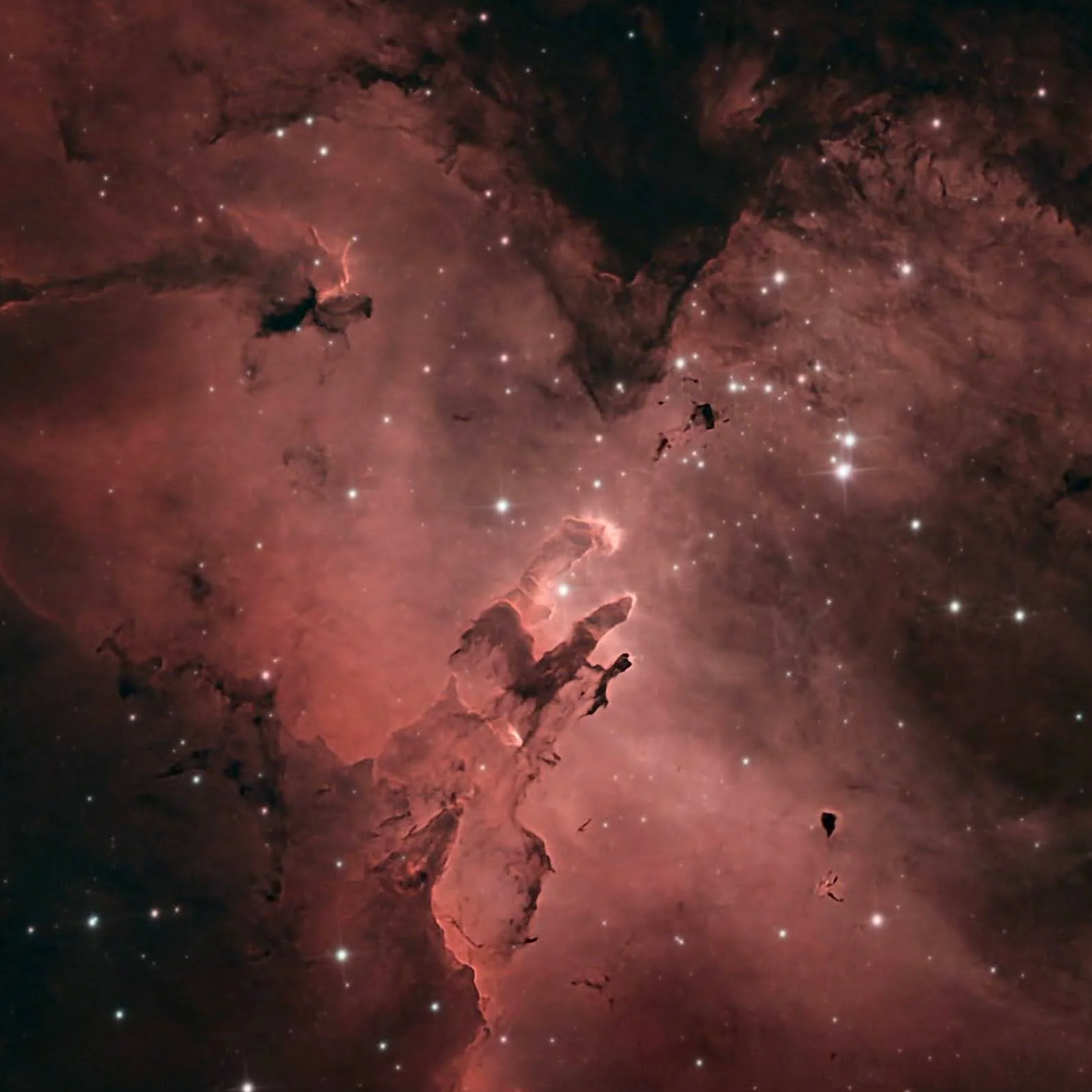
M16
M40
M68
M66
M102
M103
M41
M69
M71
M73
M43
M70
M72
M75
M17
M44
M74
M76
M104
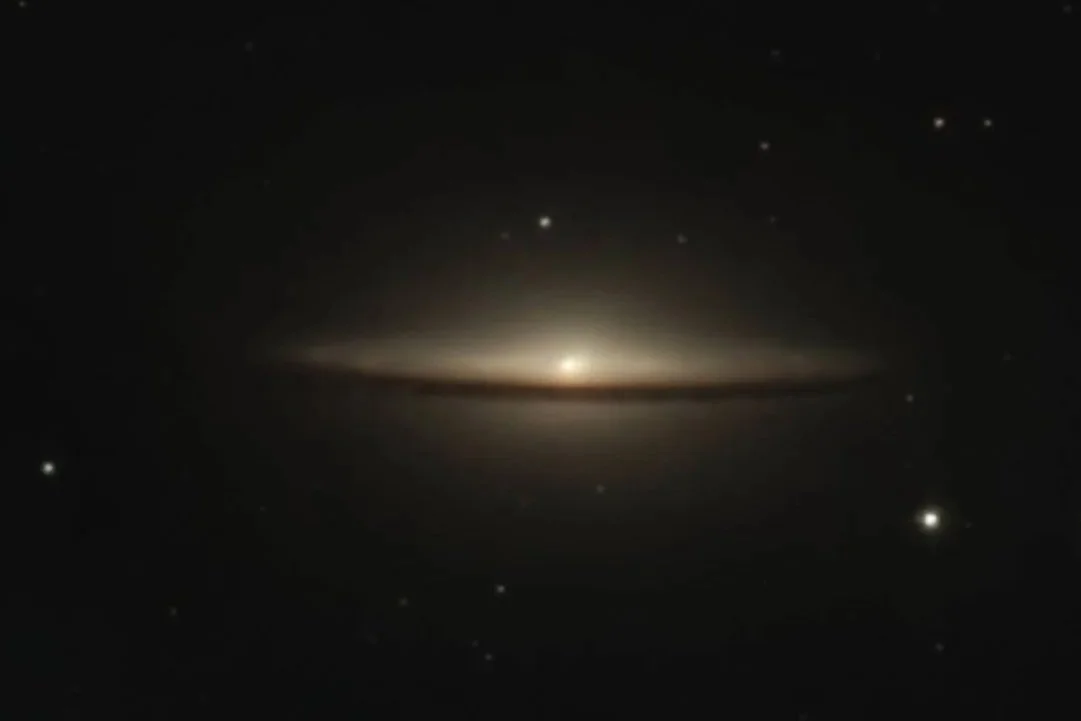
M77
M18
M19
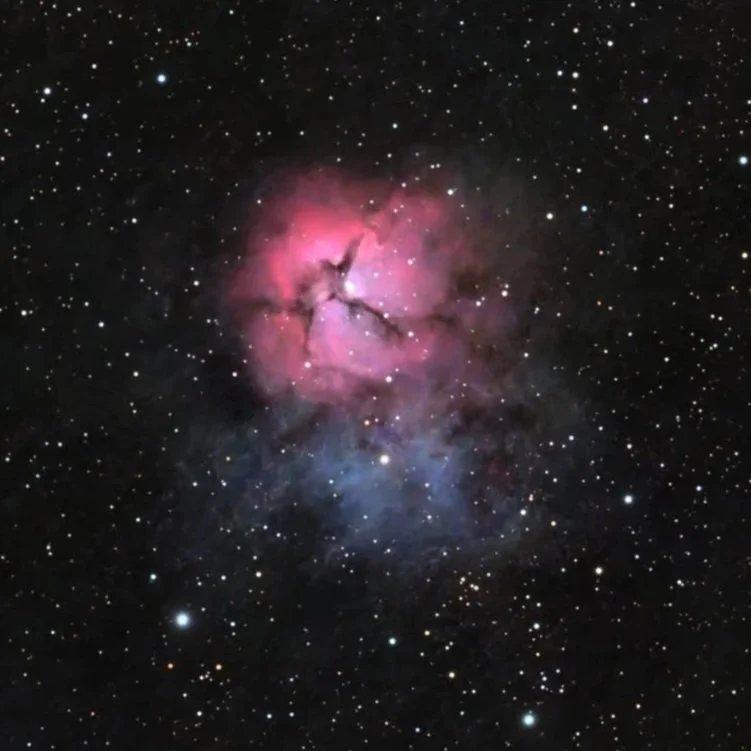
M20
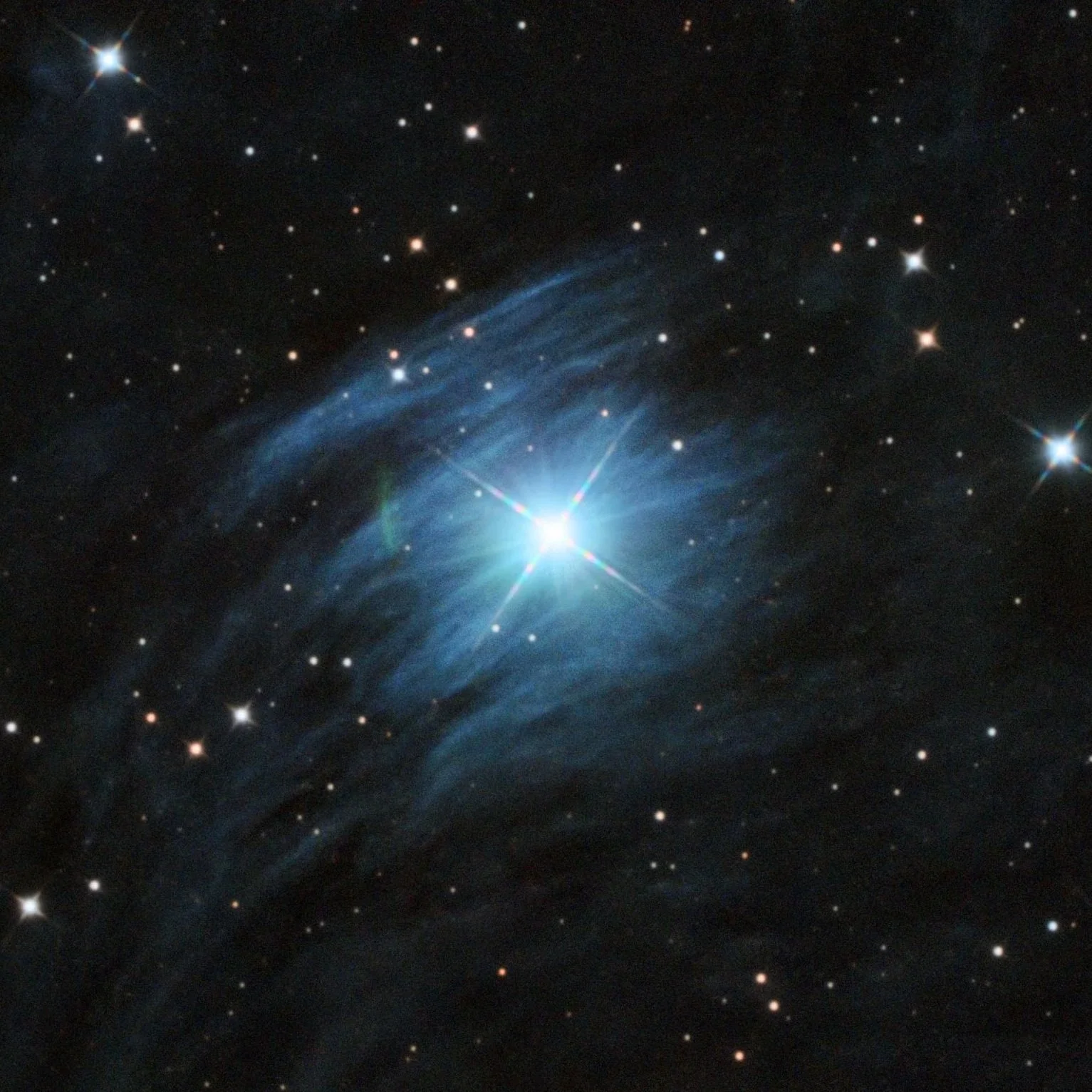
M45
M78
M106
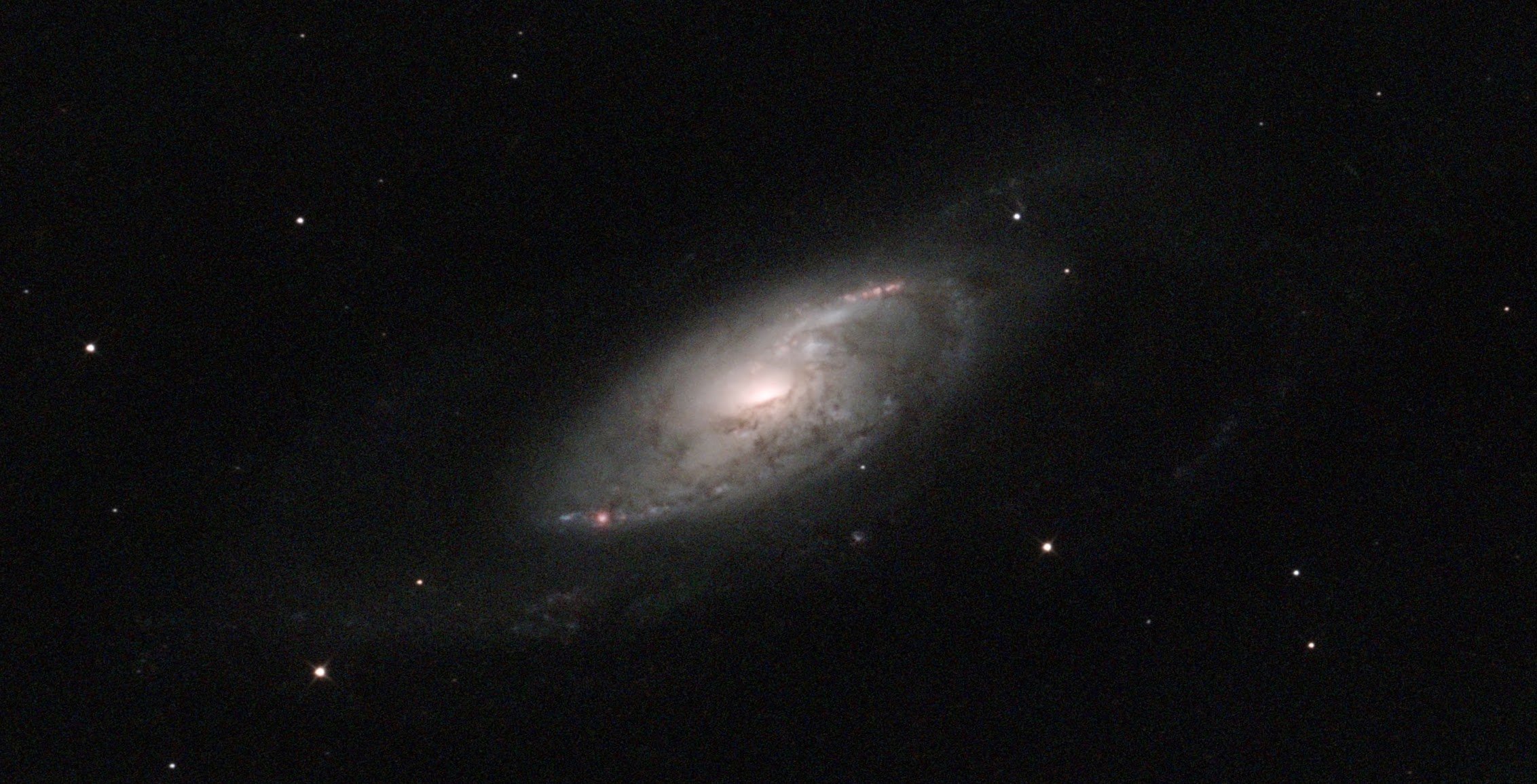
M105
M108
M79
M80
M107
M109
M21
M24
M46
M49
M53
M110
M22
M25
M47
M50
M54
M23
M26
M48
M52
M55
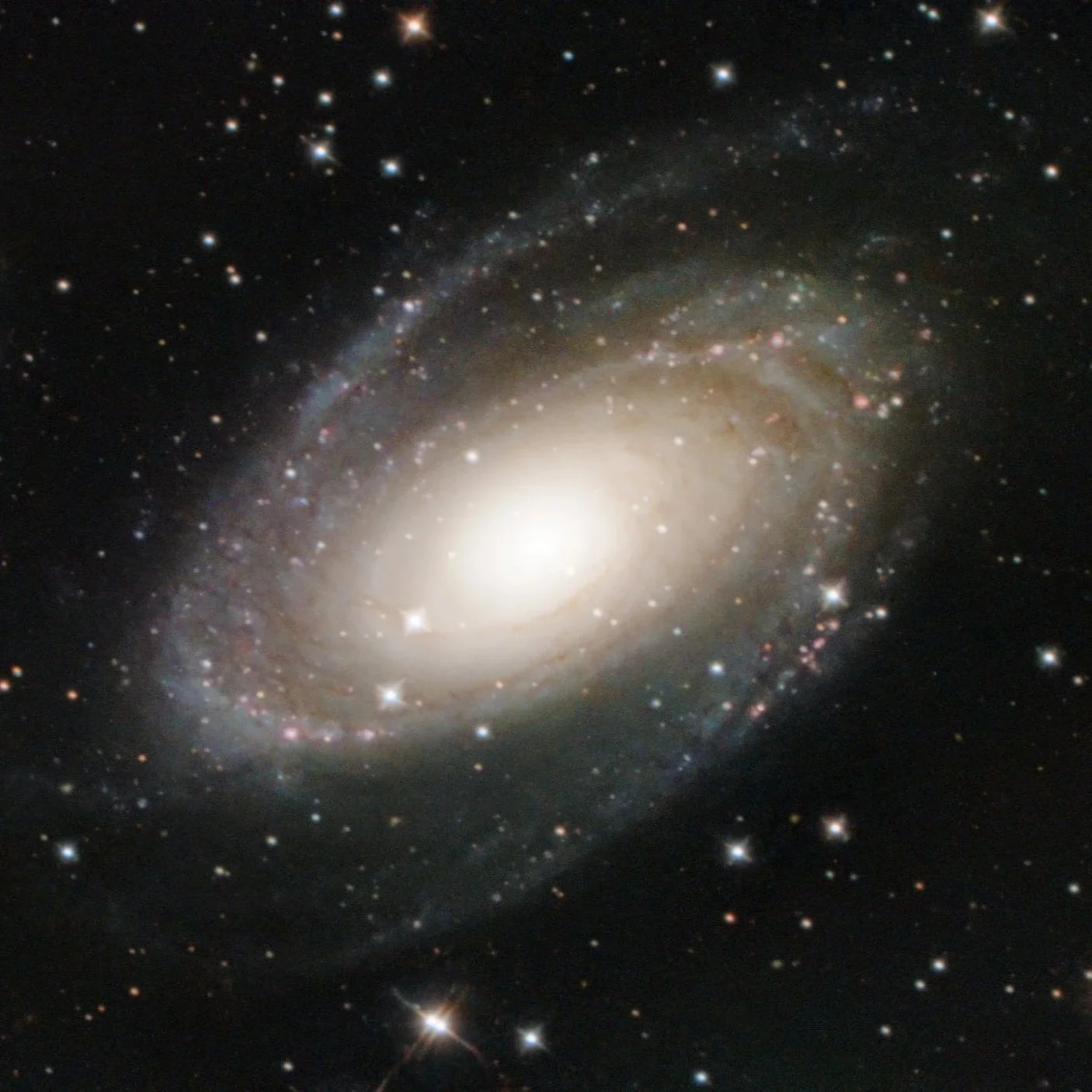
M81
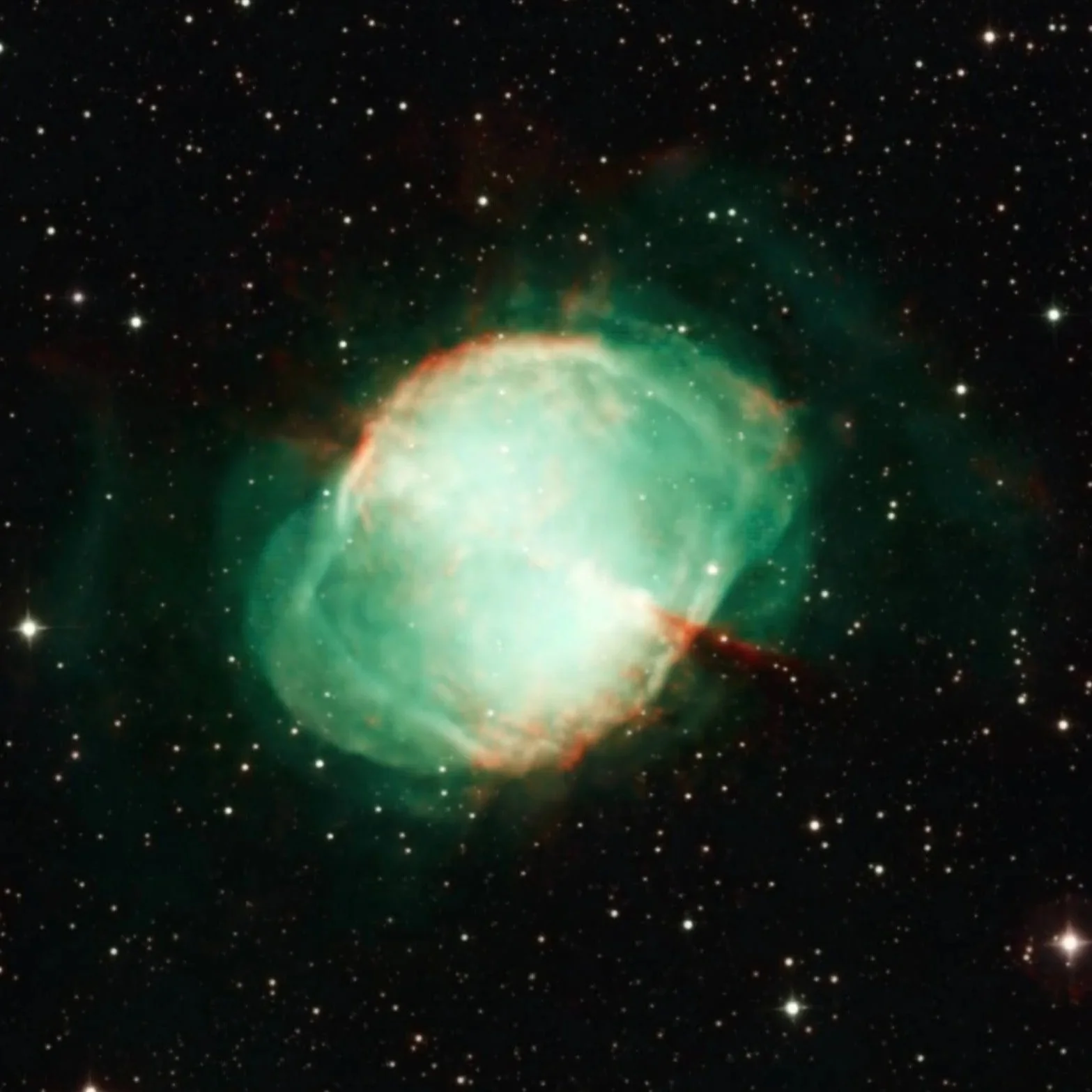
M27
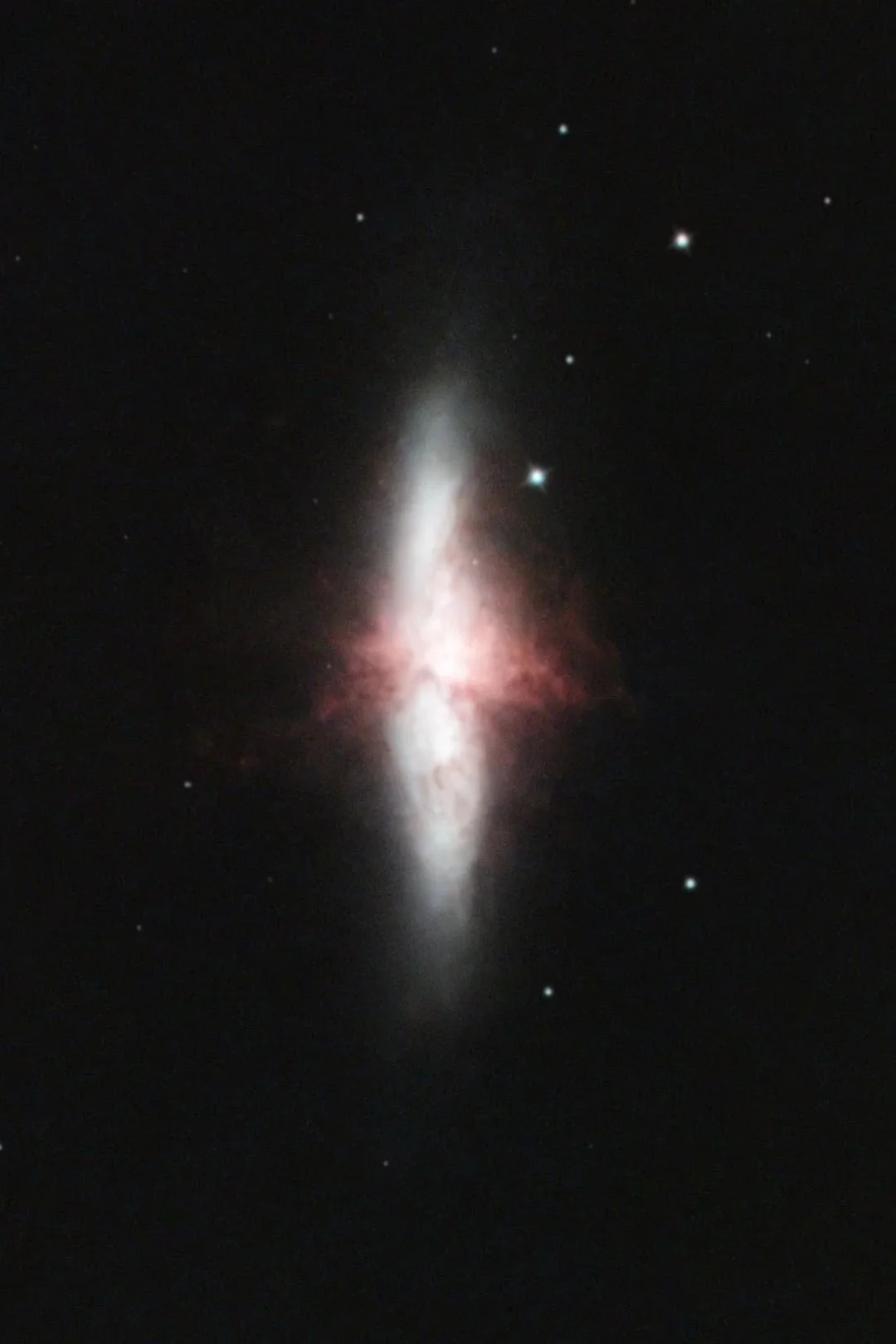
M82
M28
M29
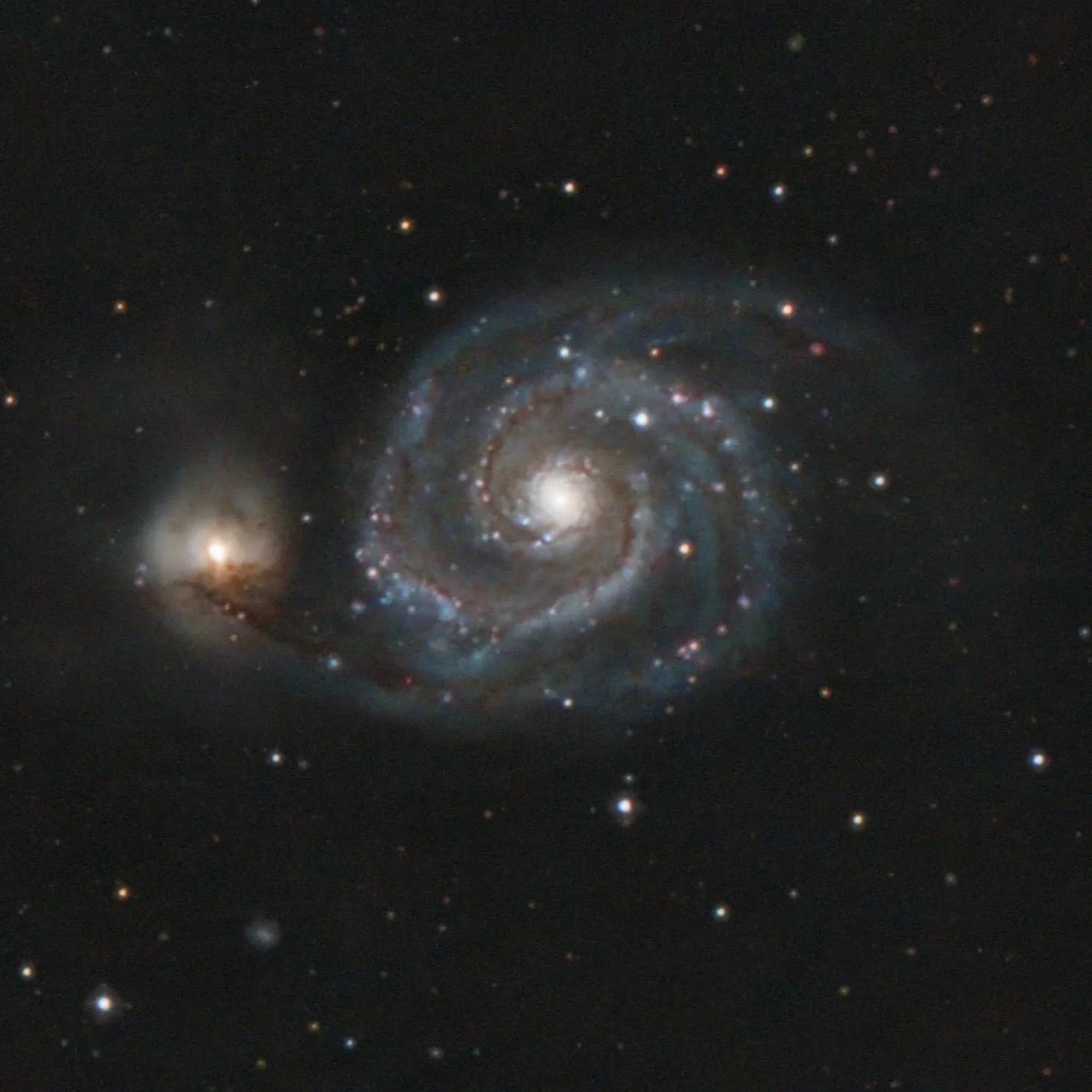
M51
M83
M84
M85
Oscar’s Cosmos
The Messier Catalogue — One Universe, 110 Targets
The Messier Catalogue is one of the most famous lists in astronomy, containing 110 of the most well-known deep-sky objects visible from Earth. From glowing nebulae and distant galaxies to dense globular clusters, it’s a collection of some of the most fascinating sights our universe has to offer.
But the catalogue wasn’t originally created to showcase beautiful objects. It all started with a comet hunter.
A comet hunter’s cosmic detours
In the 18th century, French astronomer Charles Messier was on the hunt for comets . As comets travel through the Solar System, they appear to drift across the sky against the distant background stars. Messier kept coming across faint, fuzzy patches that looked a little like comets — except they didn’t move.
These objects were distant nebulae, star clusters and galaxies, far beyond our Solar System. By cataloguing them, Messier could distinguish these stationary objects from the comets he was actually searching for. His first catalogue was published in 1774, and subsequent editions expanded the list. The catalogue eventually became one of astronomy’s most recognisable collections of 110 deep-sky objects. Messier discovered around a dozen actual comets during his lifetime, but it was these comet-like objects he catalogued along the way that became his most lasting contribution to astronomy.
Messier compiled his catalogue primarily from Paris. This makes it particularly well suited to observers in the Northern Hemisphere, including my own backyard in the Netherlands!
From faint smudges to cosmic showstoppers
Through the telescopes of Messier’s time, many of these objects appeared as little more than faint, fuzzy patches. Today, with modern telescopes, sensitive cameras and hours of exposure time, those same patches can turn into absolute cosmic showstoppers — revealing intricate spiral arms, colourful clouds of gas, delicate dust lanes and countless stars.
That’s what makes astrophotography so rewarding: capturing what the eye alone could never reveal, one photon at a time.
My Messier journey
This page is my personal journey through the catalogue. All 110 objects have a placeholder in the overview above. If a square contains an image, I’ve captured that object myself. If it’s empty, it’s still waiting for its turn under my telescope. I’ll keep coming back to this page as I photograph new targets, add them to the grid and revisit older images with better data, equipment and processing techniques.
Will I manage to capture all 110? Who knows! Some targets are tricky from my location, and others will require the right season, clear skies and plenty of patience.
But that’s part of the adventure.
Keep checking back — the catalogue is a work in progress, and the universe isn’t going anywhere.