The Caldwell Catalogue
C1
C2
C3
C4
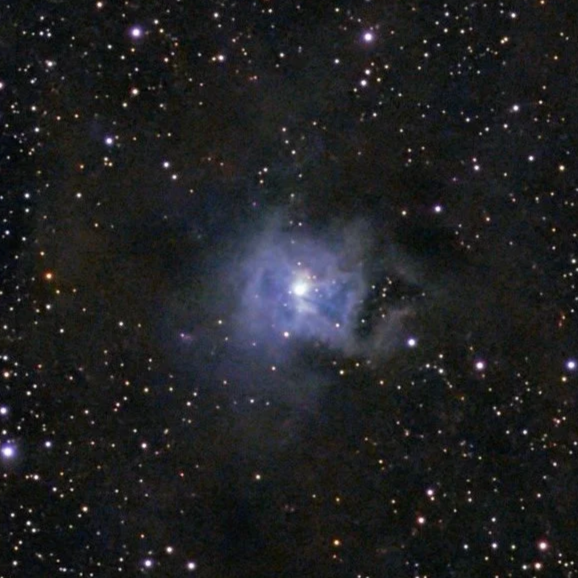
C5
C6
C7
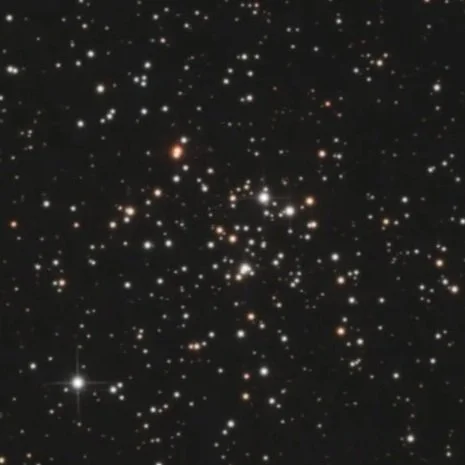
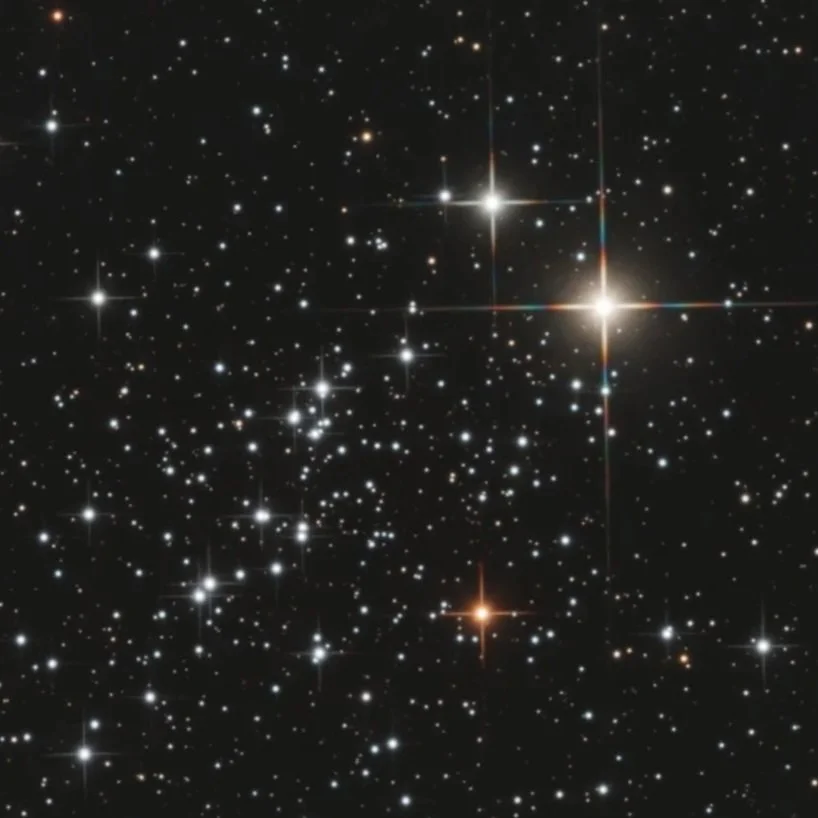
C9
C10
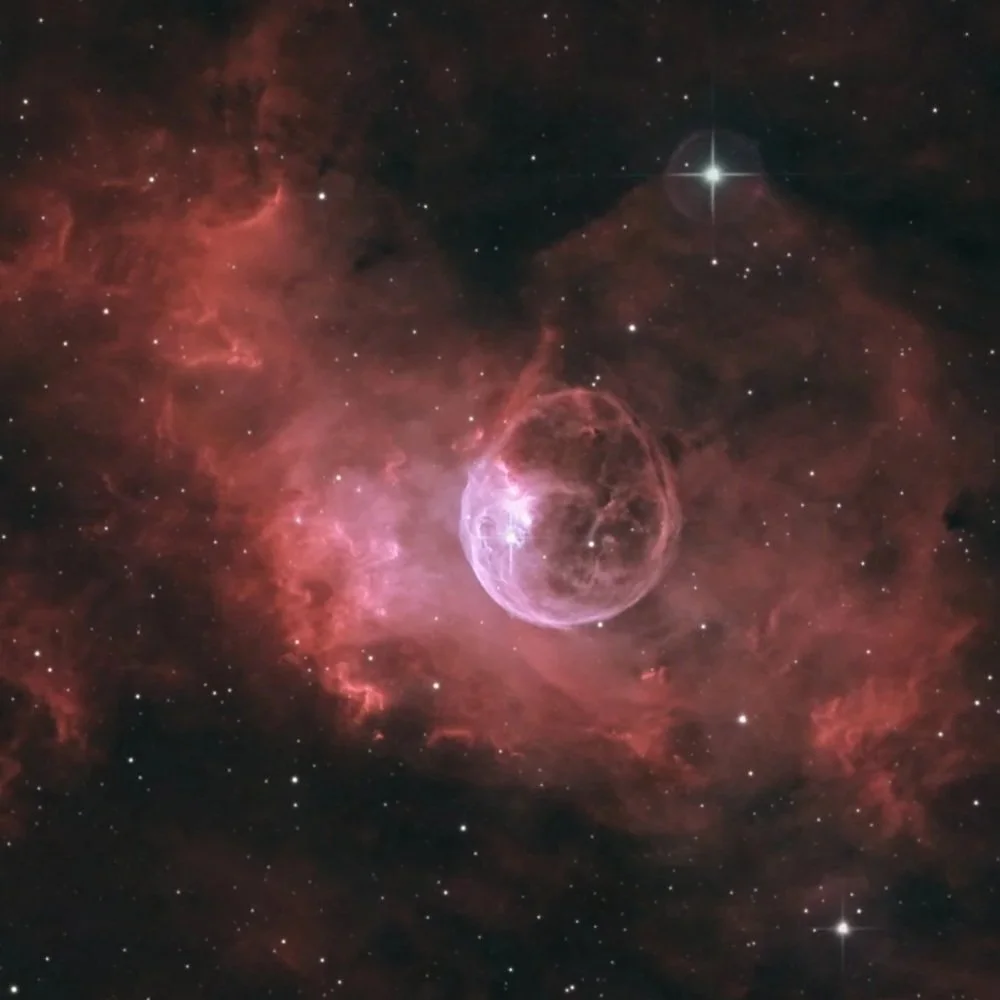
C12
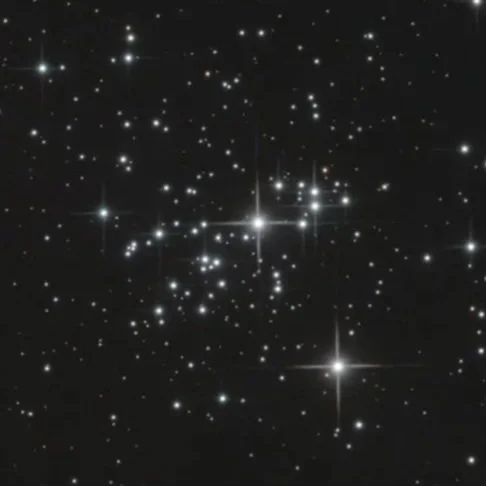
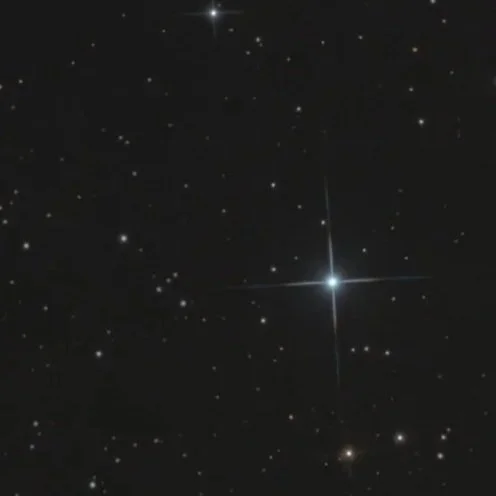
C15
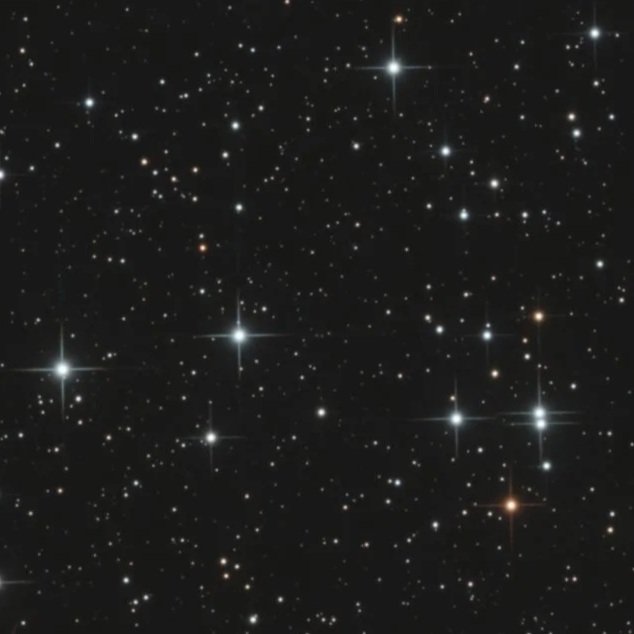
C17
C18
C19
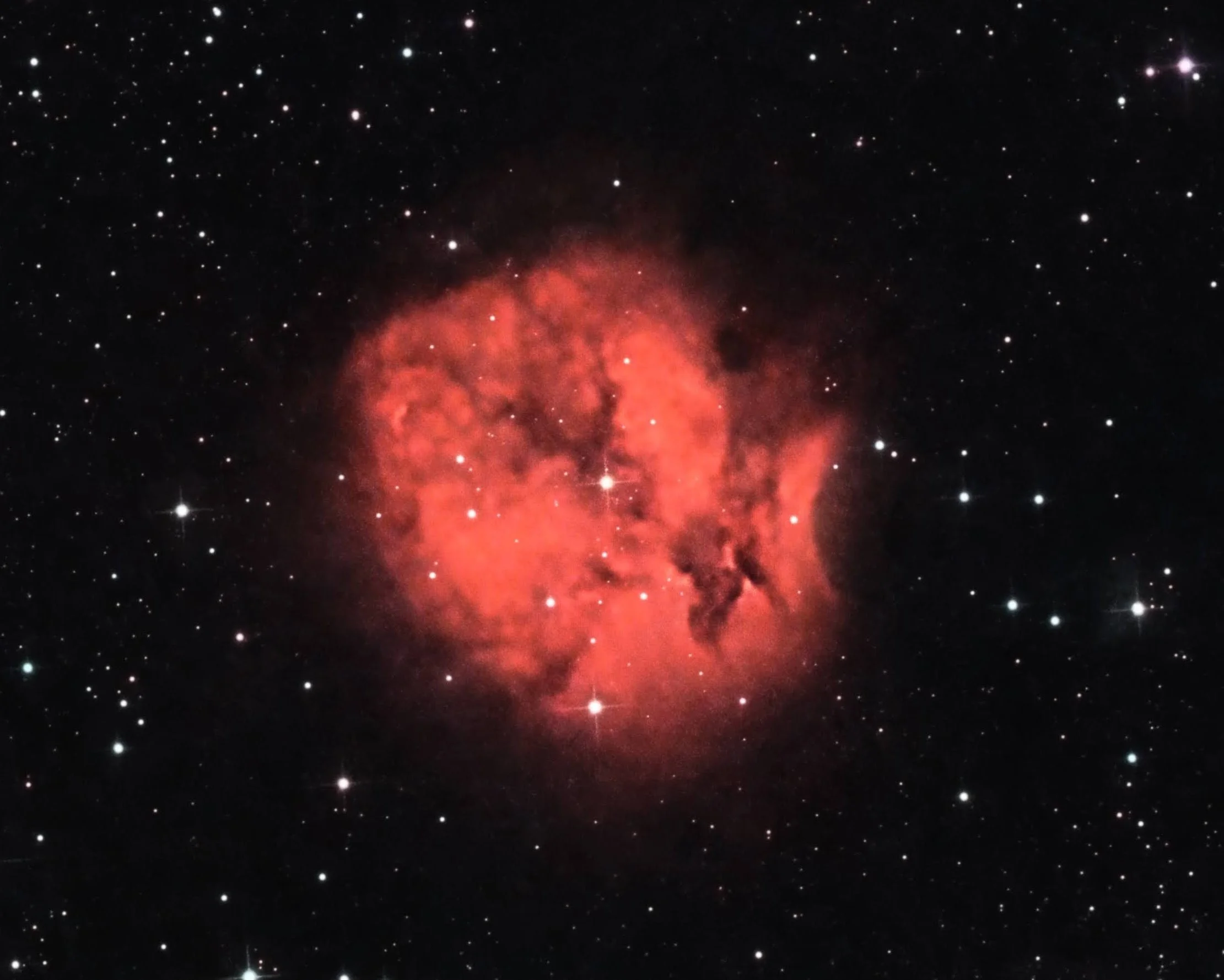
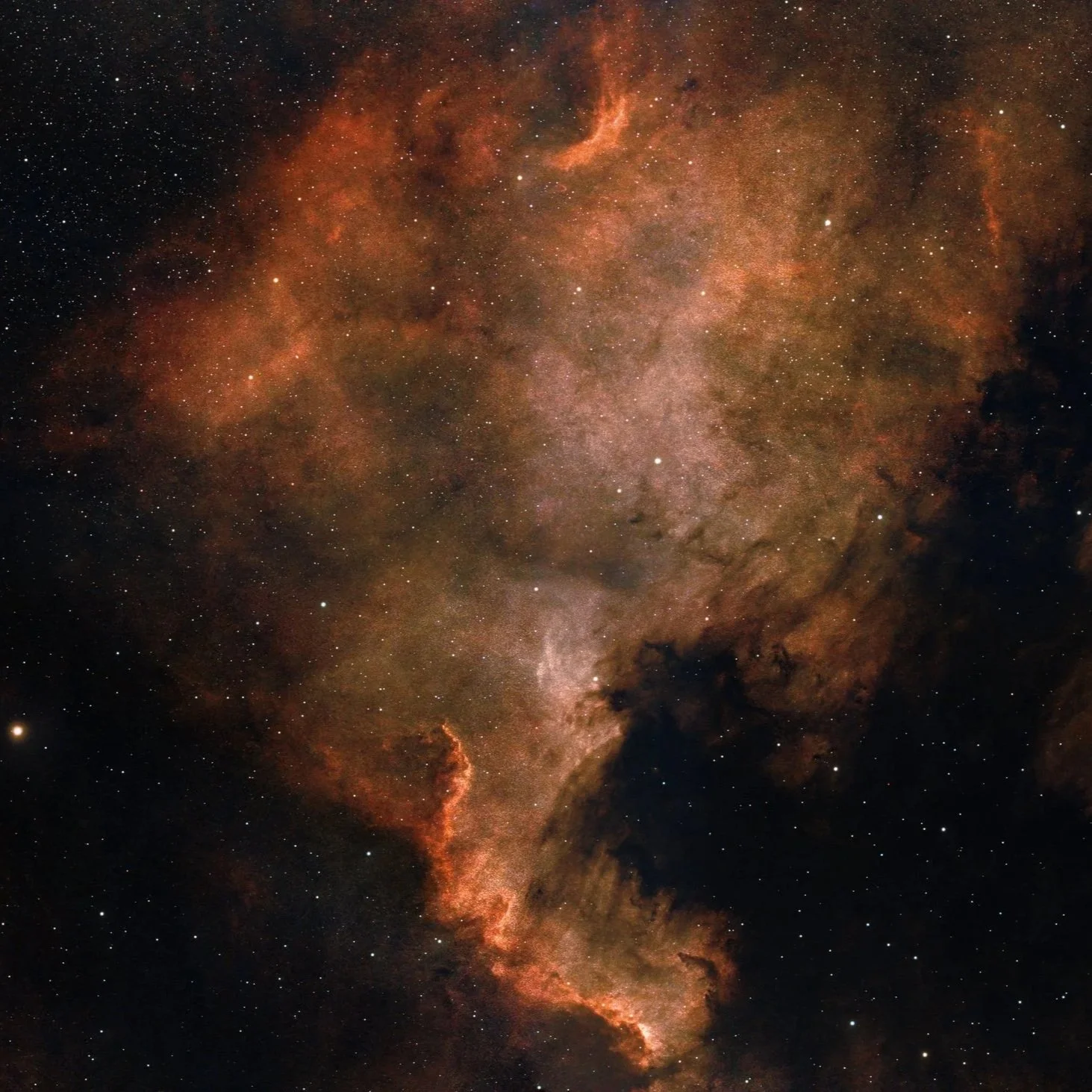
C21
C22
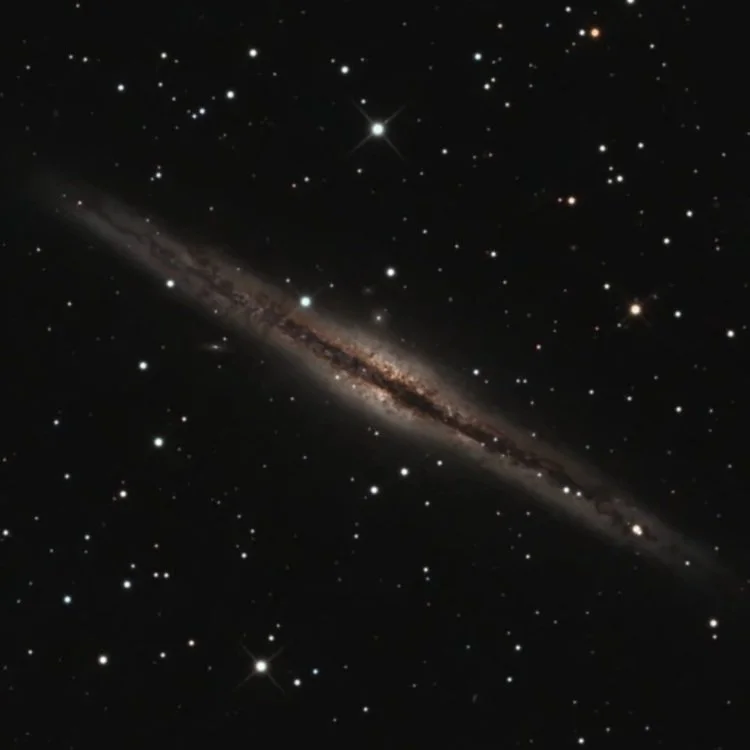
C26
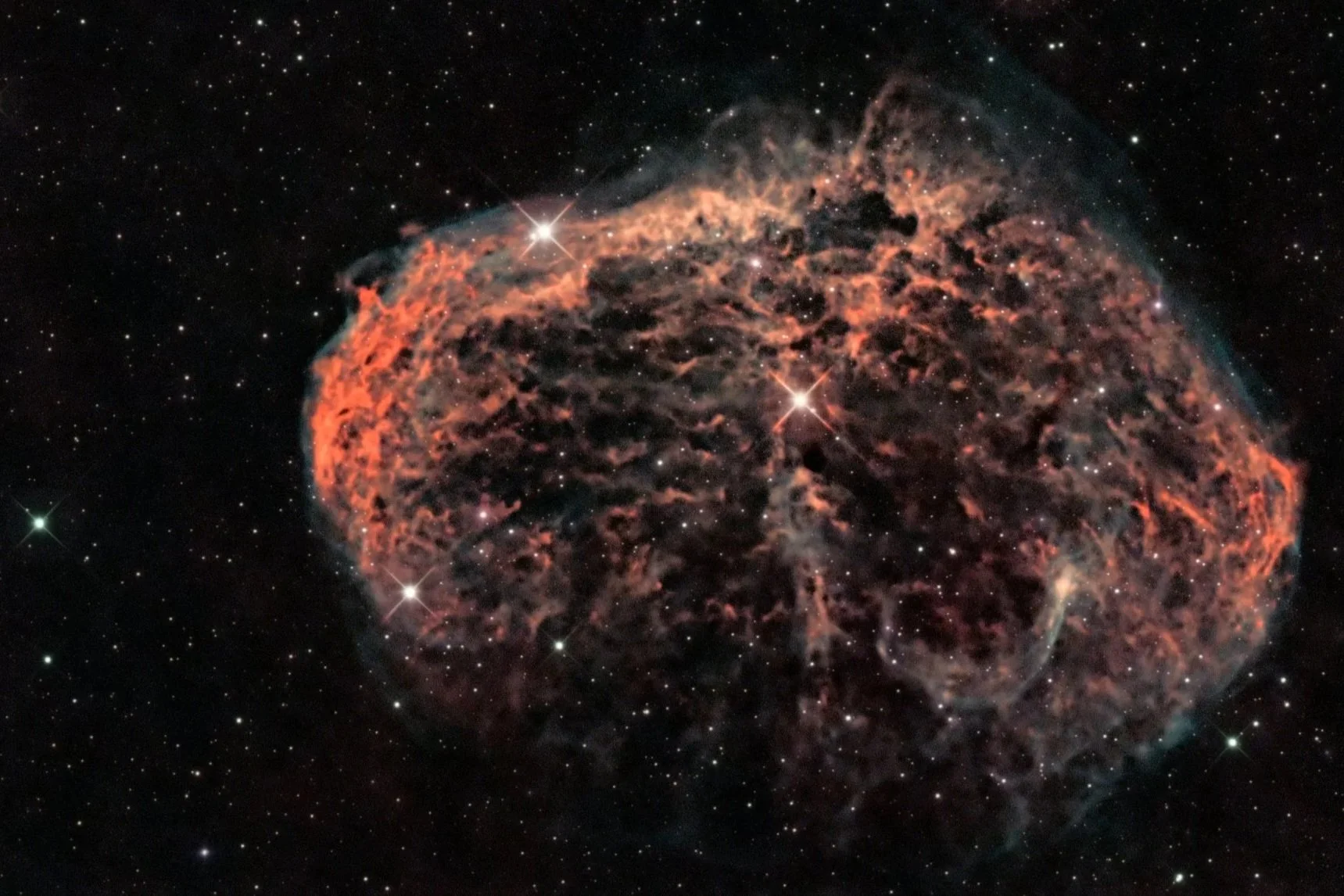
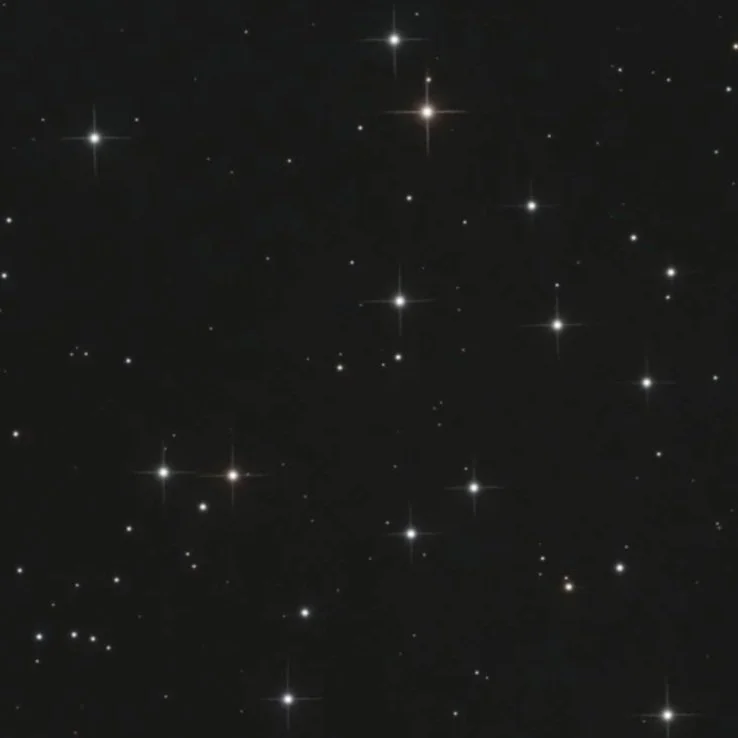
C29
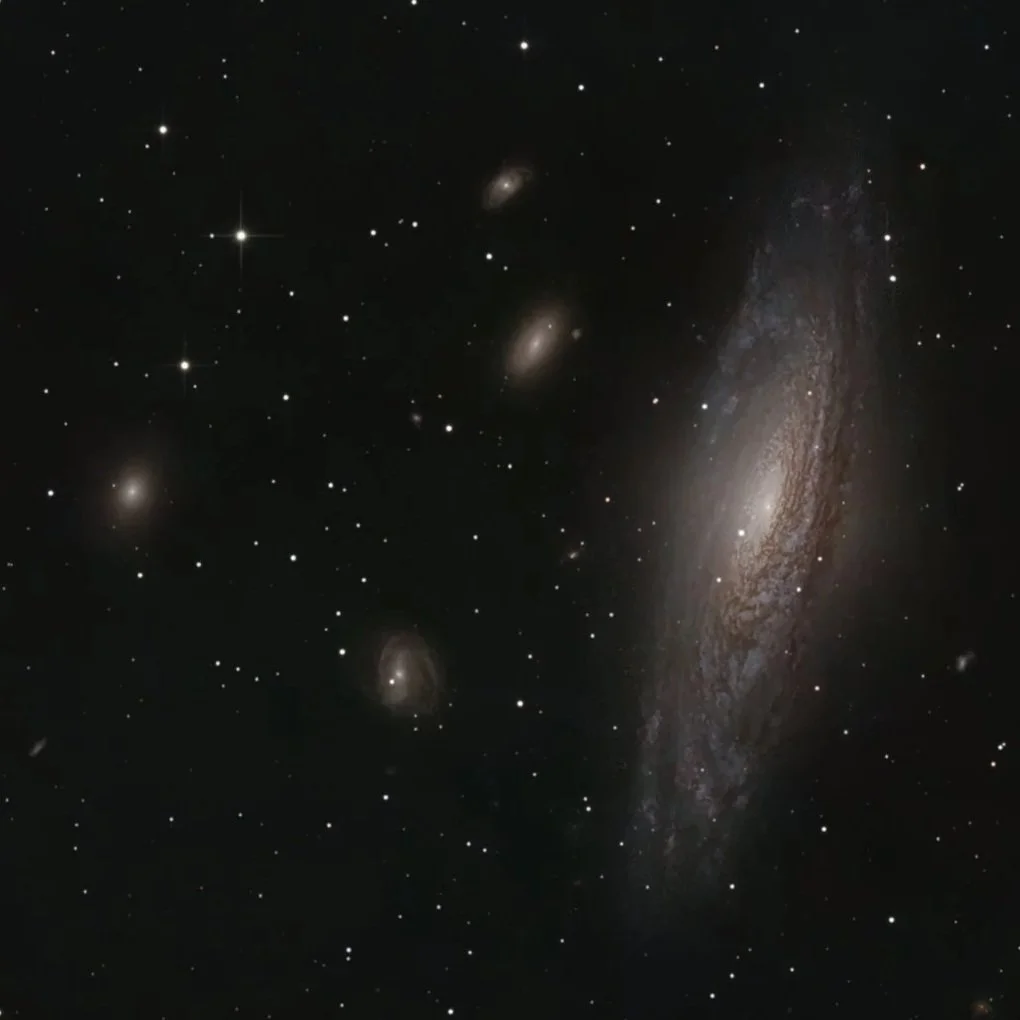
C31
C32
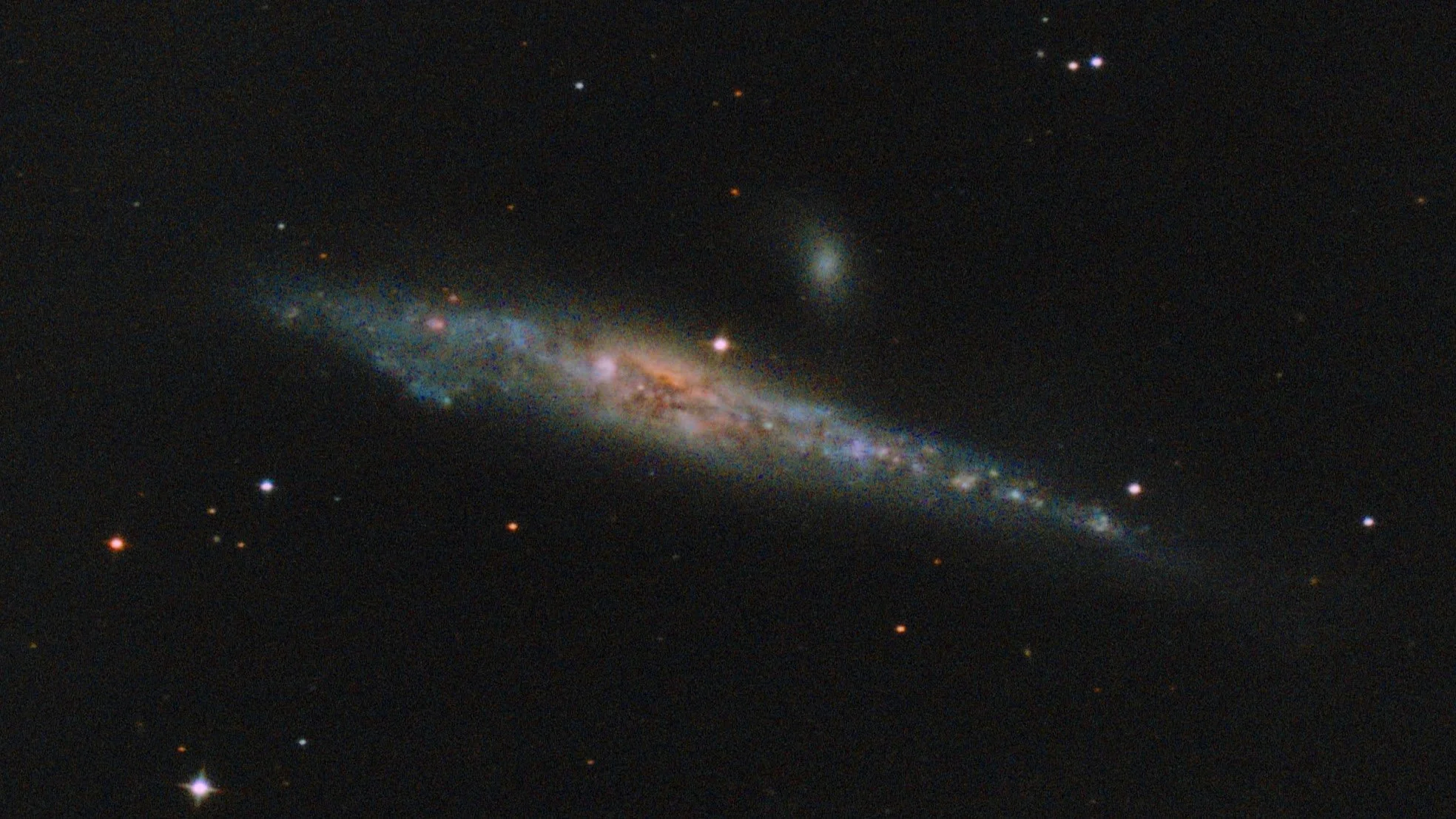
C33
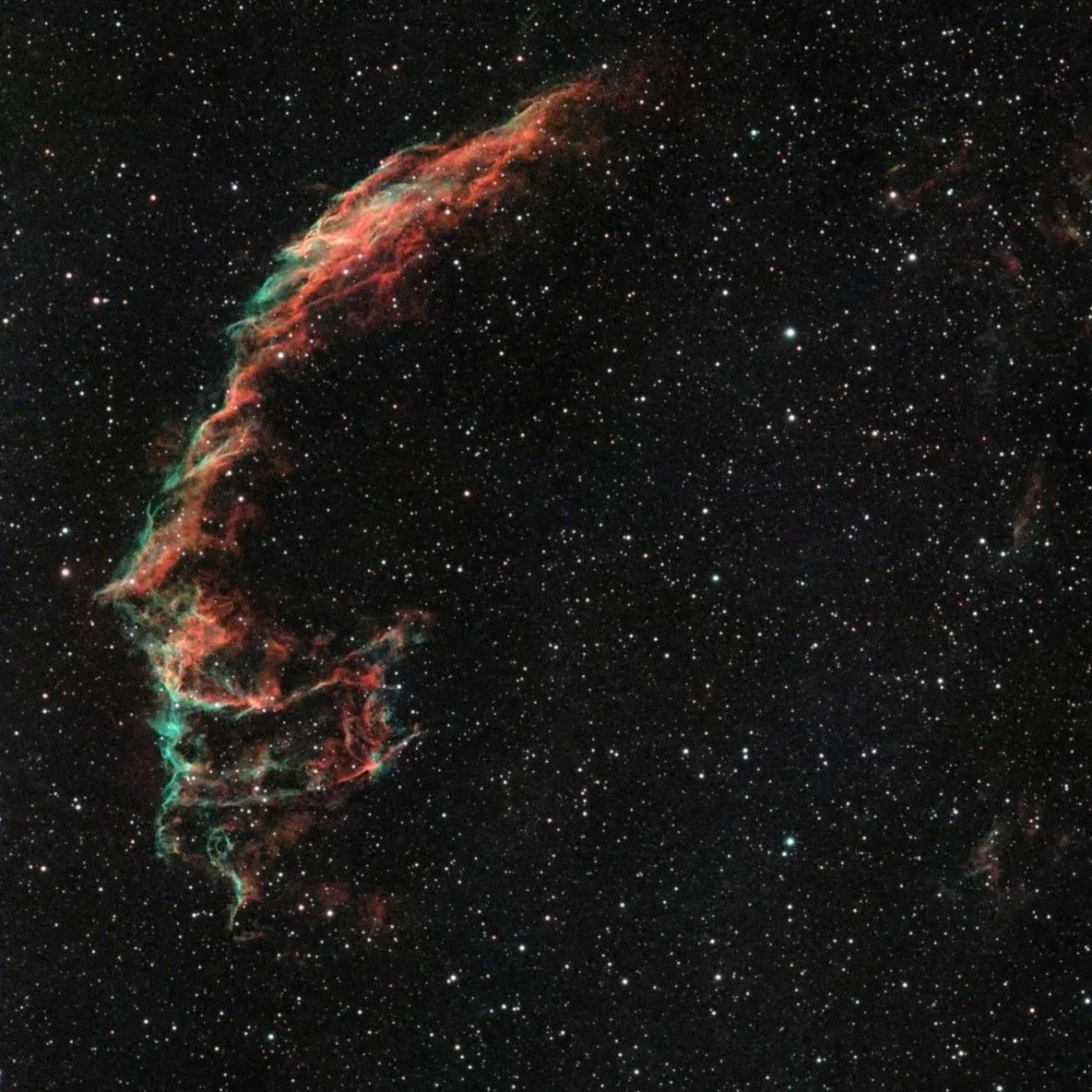
C34
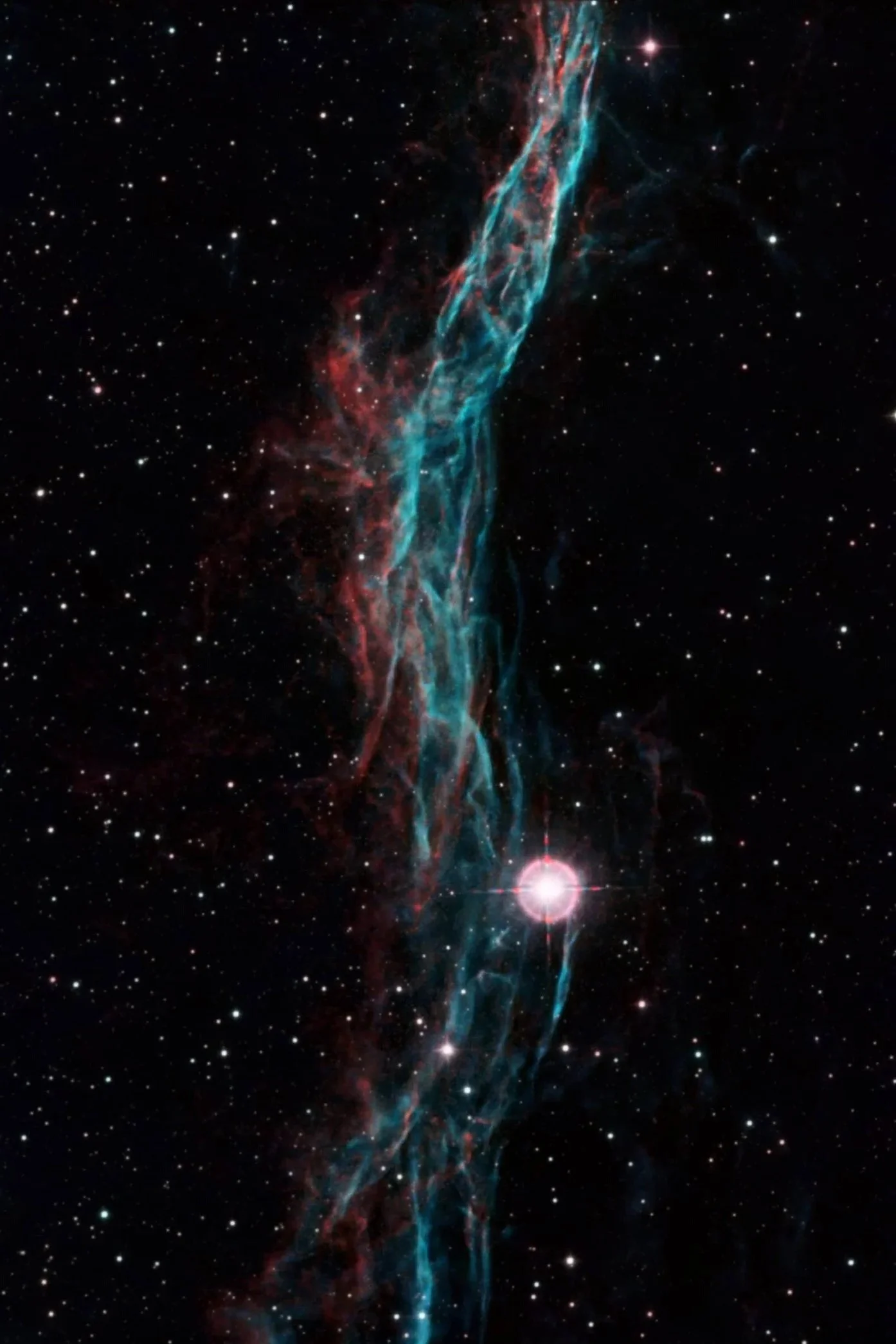
C35
C36
C38
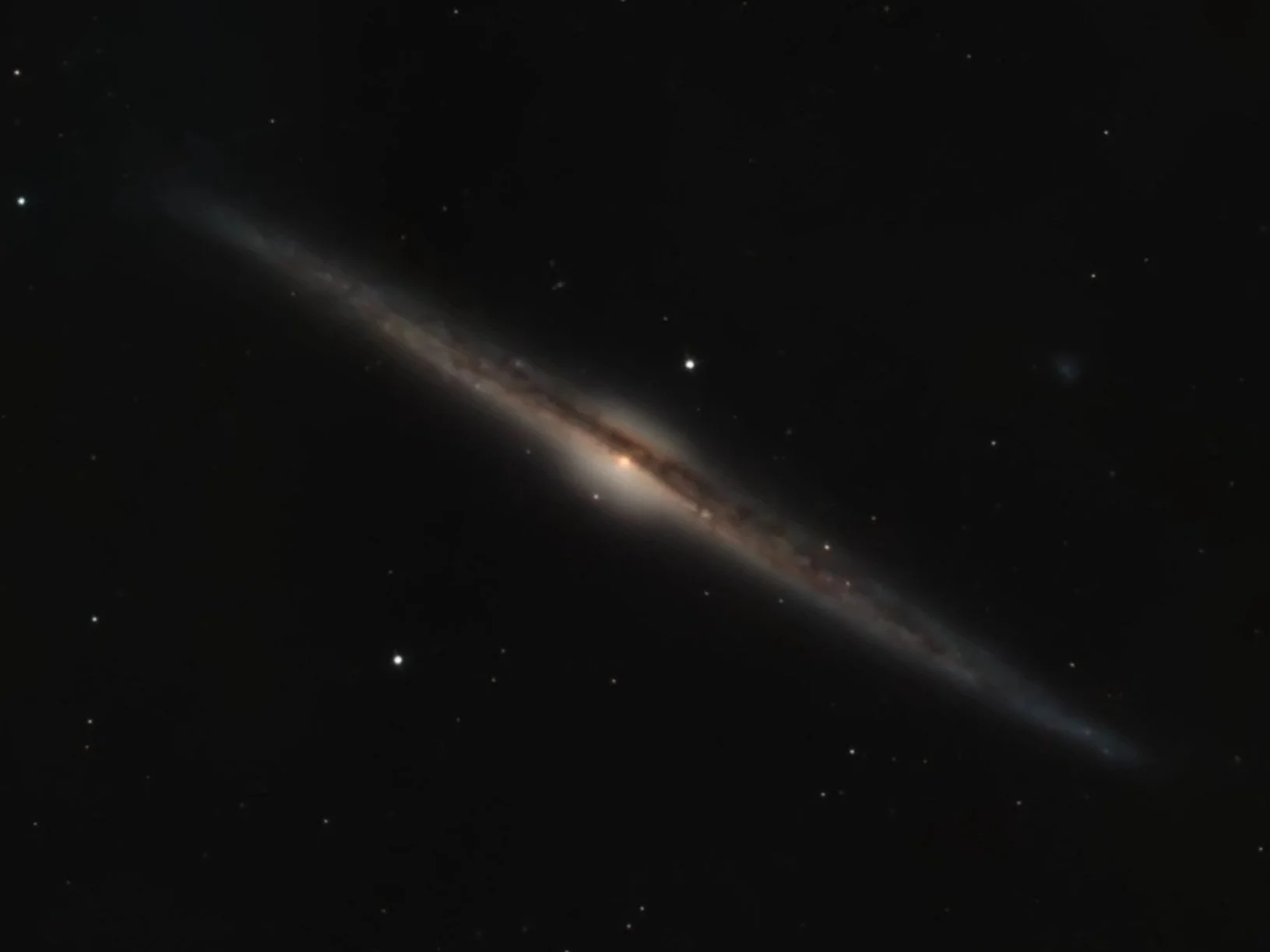
C39
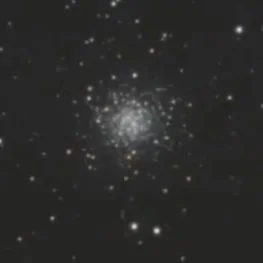
C40
C41
C43
C44
C45
C46
C47
C48
C49
C50
C51
C52
C53
C54
C55
C56
C57
C58
C59
C60
C61
C62
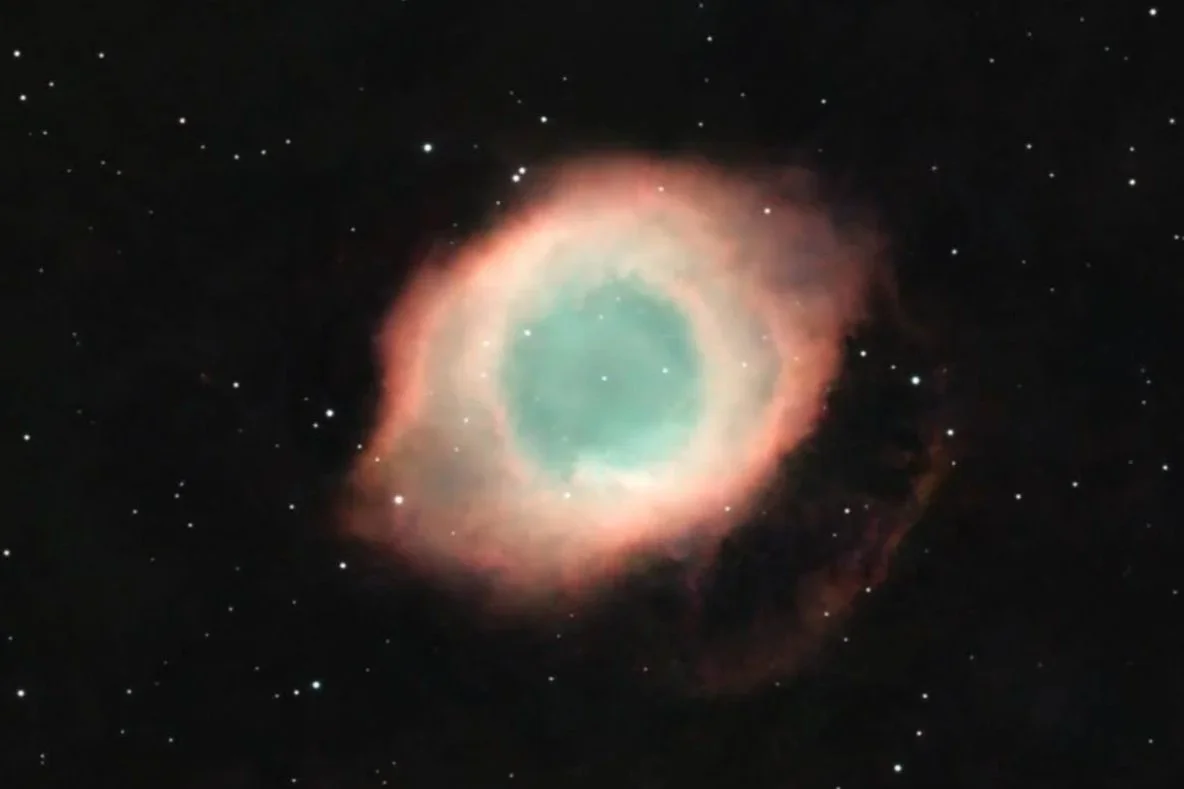
C64
C65
C66
C67
C68
C69
C70
C71
C72
C73
C74
C75
C76
C77
C78
C79
C80
C81
C82
C83
C84
C85
C86
C87
C88
C89
C90
C91
C92
C93
C94
C95
C96
C97
C98
C99
C100
C101
C102
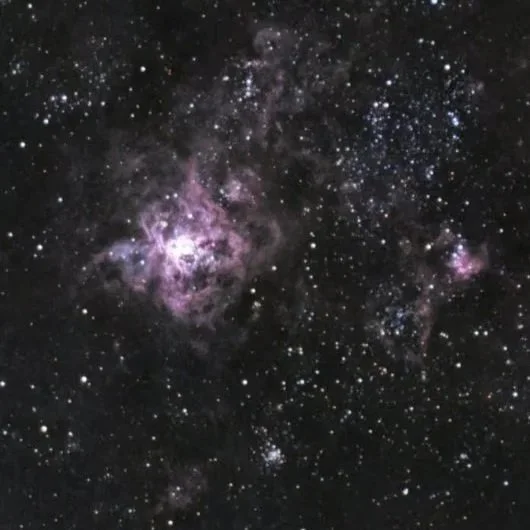
C103
C104
C105
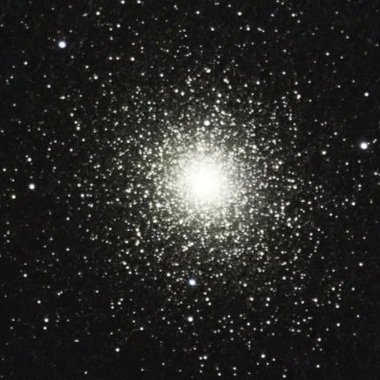
C107
C108
C109
Oscar’s Cosmos
The Caldwell Catalogue — Beyond Messier
The Messier Catalogue is a fantastic starting point for any deep-sky explorer. But what about all those spectacular objects Messier missed? Enter the Caldwell Catalogue: its all-sky companion, bringing together 109 deep-sky objects from across the entire celestial sphere. From galaxies and glowing nebulae to spectacular star clusters, it includes some absolute showstoppers that deserve just as much attention.
Beyond Messier's catalogue
The Caldwell Catalogue was compiled in 1995 by British astronomer Sir Patrick Moore. Unlike Messier, who assembled his list while hunting for comets in 18th-century France, Moore deliberately selected 109 impressive deep-sky objects that weren't already included in the Messier Catalogue.
Why? Messier's observations were made primarily from Paris, meaning his catalogue was naturally shaped by what was visible from northern latitudes. Many spectacular objects elsewhere in the sky were left out. Moore's list filled some of those gaps, creating a complementary collection that spans both hemispheres — from the far northern reaches to the southernmost wonders.
From north to south
Unlike the Messier Catalogue, whose objects are listed roughly in order of discovery, the Caldwell Catalogue is arranged by declination — essentially taking us on a journey across the entire sky, from north to south. C1 sits close to the north celestial pole, while C109 lies deep in the southern sky. And that makes this catalogue a very different challenge from my backyard in the Netherlands!
Some objects are easy enough to capture from home. Others barely rise above the southern horizon. Take C63, the Helix Nebula: from my backyard, it reaches only about 17° above the horizon at its highest point. On the best nights, it just peeks over the fence!
For roughly the southern half of the catalogue, the increasingly low altitude makes travelling farther south a real advantage — and for some objects, practically a necessity if you want a decent view.
A catalogue with a passport
Luckily, I have a little travel telescope that can join me on our favourite trips to sub-equatorial Africa. With its remote landscapes and pristine dark skies, these journeys offer the perfect opportunity to explore objects that remain frustratingly low from home.
Will I ever manage to capture all 109? Who knows! But if completing the catalogue means more southern holiday adventures beneath truly dark skies, I can think of worse challenges to take on.
Keep checking back as I add new objects, revisit old favourites and hopefully tick off a few more gems along the way. The Caldwell Catalogue is a work in progress — and perhaps the perfect excuse for many more journeys under the stars.